Demand Generation
The way consumers find brands is changing faster than most marketing strategies are adapting to it. ChatGPT, Google's AI Overviews, Amazon Rufus, and Perplexity are answering purchase questions directly, and the brands they recommend are the ones structured to be cited, not just indexed. Your brand is structured so large language models and AI-driven commerce systems can interpret, cite, and recommend you as the right answer is no longer a future consideration. We optimize brands for the AI discovery layer that's already reshaping how purchase decisions get made.
This capability includes
GEO — Generative Engine Optimization
We organize your brand's digital presence and authority indicators so that AI platforms like ChatGPT and Google AI Overviews recognize and suggest your brand during consumer research and buying journeys.
AEO — Answer Engine Optimization
We refine your content's structure to provide direct answers to user inquiries within AI tools, positioning your brand as the primary cited authority rather than just a summary detail.
Entity and knowledge graph optimization
We manage your brand's data across the knowledge graphs and databases that fuel AI models, ensuring your information remains precise and comprehensive.
AI search audit and visibility scoring
We evaluate your current standing in AI discovery environments to determine where your brand is cited and where competitors might be overshadowing your visibility.
Ongoing monitoring and optimization
Because AI models and user habits change frequently, we provide continuous oversight of your brand's presence and adjust your strategy to maintain a competitive edge.



Demand Generation success stories

Your questions answered
We rank well in traditional search. Does that mean we're already showing up in AI search results?
Not necessarily. AI search engines use different signals than traditional ones; they prioritize elements like entity recognition, structured data, reliable citations, and content that directly answers questions, rather than focusing on high keyword density or backlink totals. A brand achieving high organic ranking on Google might still be overlooked in AI recommendations if their content isn't prepared for the AI environment. This means the two require optimization strategies that overlap but remain distinct.
How do you actually measure AI search visibility? Is there a reliable way to track this?
While measuring this is an evolving discipline, a reliable tracking methodology is available. We conduct visibility audits by executing systematic searches across leading AI platforms—including ChatGPT, Perplexity, Google AI Overviews, and Amazon Rufus—to score your brand's presence in their generated responses. By monitoring this performance over time as optimizations are deployed, we can provide insights into progress, even as industry standards for AI measurement continue to mature.
Is this relevant for our Amazon business specifically, or is it mainly a D2C and web concern?
This is highly pertinent to Amazon operations. Rufus, Amazon's AI shopping assistant, is increasingly crucial in product discovery on the platform. Brands optimized for Rufus citations achieve a level of visibility that standard sponsored advertisements cannot match. Our Catapult Answer Engine tool and proprietary SEO tracker Visium offer specific, proprietary scoring to show precisely how your brand appears within Alexa and other LLM discovery layers, highlighting areas of success and critical fixes needed before competitors react.
Our category is competitive. Can smaller brands actually win AI search recommendations against larger established players?
Yes, in many cases. AI search is a unique space where the credibility of content can override the size of the brand. AI systems prioritize recommending the most authoritative, well-organized answer to a query, not necessarily the most established brand. A smaller brand can secure a higher position than a larger competitor if it offers highly specific, structured content that directly addresses the user's need, compared to the competitor's broader but less precise information. The chance to establish an early position is significant right now, but this opportunity diminishes as more brands implement optimization strategies.
Our Demand Generation capabilities
AI search optimization (GEO & AEO)
Your brand structured so large language models and AI-driven commerce systems can interpret, cite and recommend you as the right answer.
Explore
ChatGPT Ads (GEA - AI Search Advertising)
Front Row is buying on the platform and rewriting the playbook as OpenAI continues to develop the platform and advertising capabilities.
Explore
Social media strategy & management
Driving demand through a holistic social media strategy that aligns with your brands goals, story, and product messaging framework.
Explore
B2B marketing
We combine performance media, content, automation, and analytics into one connected B2B demand program.
Explore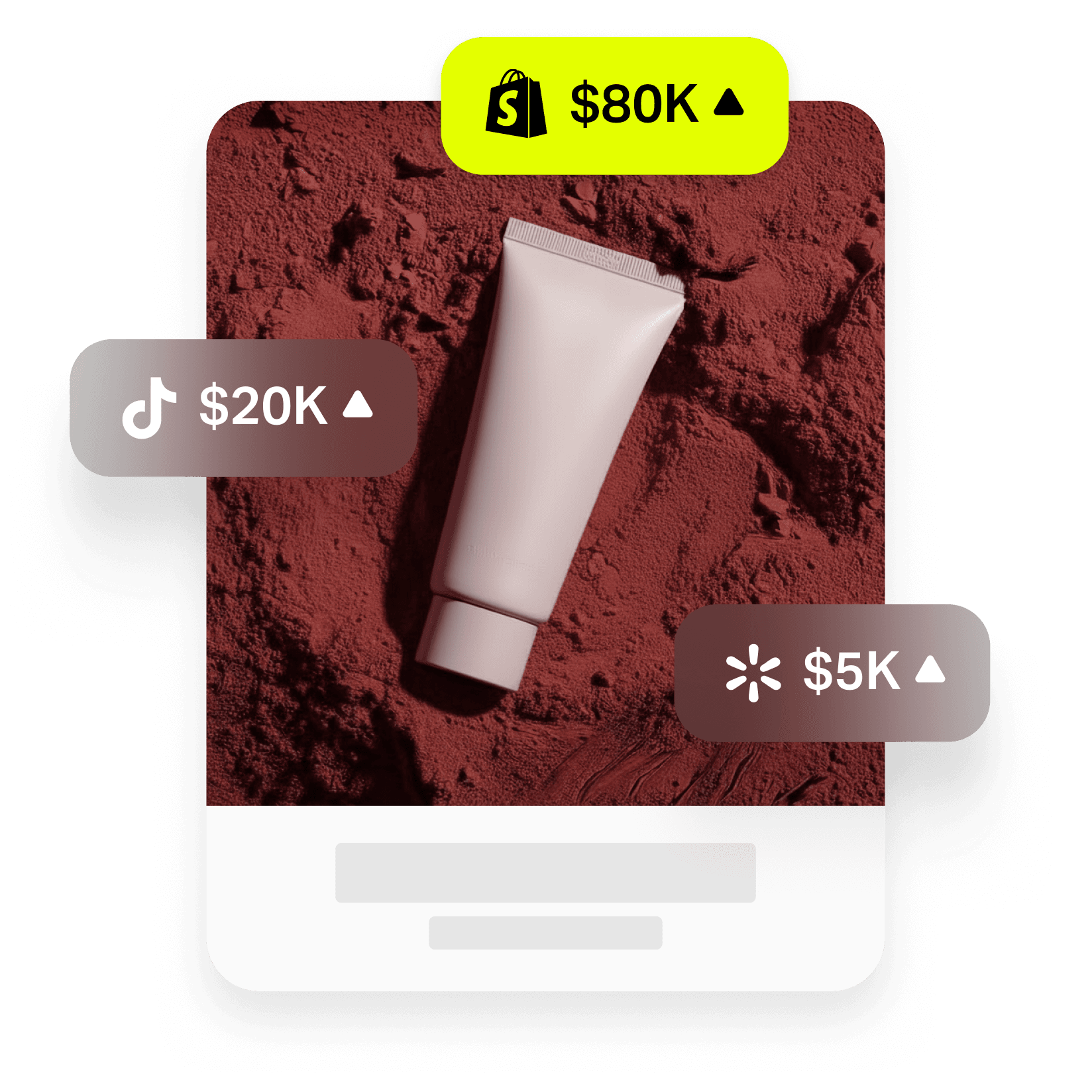
Connected growth strategy
A clear growth roadmap that identifies where to invest and where incremental revenue is being left on the table.
Explore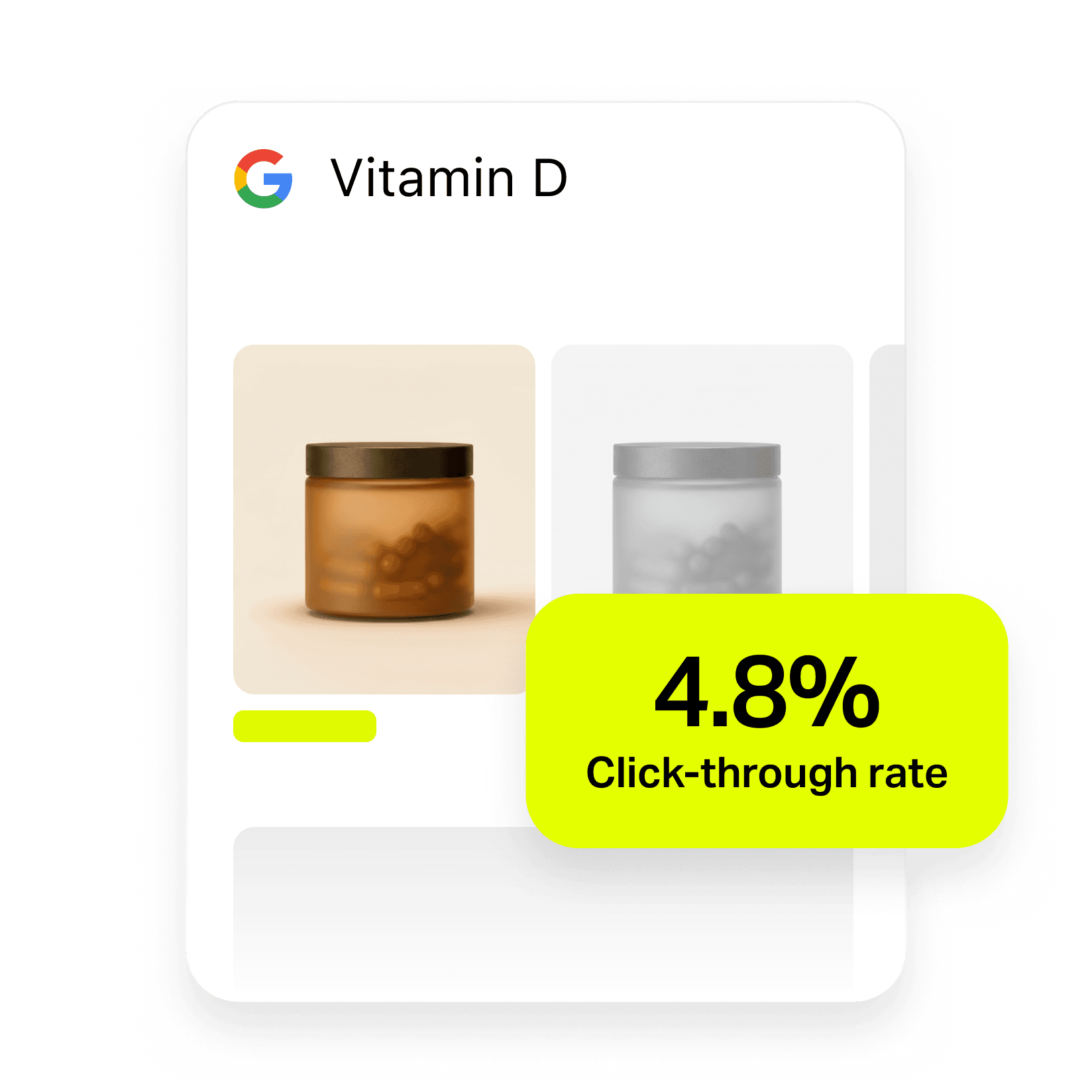
Search strategy & SEO
A technically sound, crawlable foundation built on search intent, content architecture and authority signals.
Explore
Influencer & creator marketing
Scalable creator partnerships that expand reach, fuel authentic content at volume and convert audiences into buyers.
Explore
Performance media management
Performance media should drive profitable, scalable acquisition with unified attribution, so every dollar spent shows measurable revenue.
Explore
Lifecycle & retention marketing
Higher lifetime value and more repeat purchases through automated email and SMS flows, segmentation, win-backs and loyalty programs.
Explore
Conversion rate optimization
Higher conversion rates through continuous experimentation across D2C and Amazon, turning more visitors into buyers.
Explore