Digital Flagship Innovation
A beautiful website alone is not enough. The brands that outperform combine compelling design with carefully crafted experiences, from product page architecture and trust signals to the flow between discovery and purchase. We design high-performing ecommerce flagships built on scalable design systems, creating a consistent brand experience across every touchpoint while driving engagement, conversion, and long-term growth.
This capability includes
Conversion Analysis & UX Audit
We conduct a comprehensive examination of your existing site experience through session recordings, heatmaps, conversion benchmarking and funnel analysis. This identifies specific friction points and highlights the most significant UX enhancements tailored to your traffic and conversion objectives.
UI Design Focused on Conversion
Our page designs are centered on the customer’s decision-making process. By optimizing copy placement, visual hierarchy, CTA architecture, and social proof positioning, we ensure the interface accelerates the journey to purchase while maintaining a premium feel.
Mobile-First Strategy
Recognizing that the majority of ecommerce traffic is mobile, we lead with experience design tailored for handheld behavior. Desktop is approached as a secondary surface, ensuring the primary mobile canvas is never compromised by adaptation.
Integrated PDP to Checkout Journey
We design the entire purchase path from the product detail page through to the cart and post-purchase as a cohesive system. Each phase is refined to enhance the brand experience and maximize conversion rates simultaneously.
Robust Design Systems
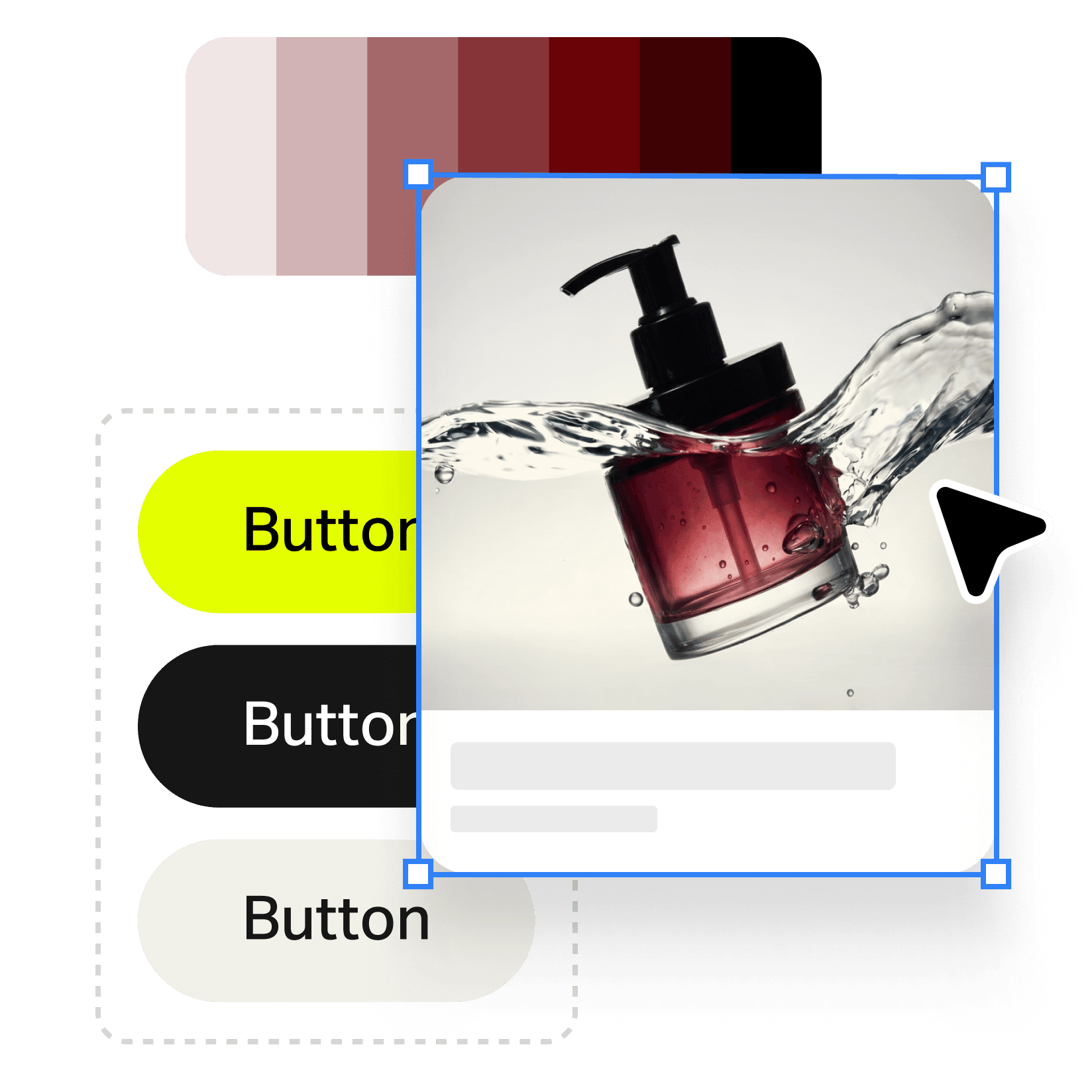
We build component-based systems encompassing color, typography, imagery, and UI patterns. This provides a unified foundation for development partners and internal teams, allowing for the efficient creation of new features and campaigns without revisiting established design logic.



Digital Flagship success stories





Your questions answered
Our site features a two-year-old custom design that we still value. How can we determine if the UX is negatively impacting our conversion rates?
The answer lies in data analysis rather than aesthetic judgment. A visually premium site can still harbor UX friction that undermines conversions such as an ambiguous PDP hierarchy, an arduous checkout process, poorly positioned trust signals, or a mobile experience that falls short of desktop standards. We perform conversion audits to pinpoint exactly where users drop off and identify the specific UX drivers behind it. Subjective opinions on design are rarely accurate indicators of conversion success.
What distinguishes brand guidelines from a design system?
Brand guidelines establish your visual identity, whereas a design system provides the framework for building with it. While guidelines serve as a reference, a design system acts as production infrastructure, utilizing reusable components, set spacing protocols, and documented interaction patterns to enable consistent, rapid execution. In the absence of a design system, every new feature requires starting from scratch; with one, consistency becomes the baseline rather than a constant struggle.
How is localization integrated into UX design for multi-market launches?
Localization should be embedded into the design system architecture at its inception. This includes accounting for text expansion in translations, supporting right-to-left layouts, addressing cultural nuances in imagery, and adapting checkout flows for regional payment preferences. Attempting to retrofit a single-market design system for global use is far costlier than designing for expansion from the beginning. Our approach centers on your long-term market roadmap.
Can brand expression and conversion optimization coexist, or do they conflict?
Conflict is less common than most brands assume. Friction typically arises when brand expression is viewed merely as decoration and conversion optimization as a separate technical task. By centering UX design on the purchase decision (delivering the right information in the right sequence to build buyer confidence) brand expression becomes a catalyst for conversion. The most effective ecommerce experiences occur when the brand narrative and the customer journey are perfectly aligned.
Our Digital Flagship capabilities
D2C platform strategy
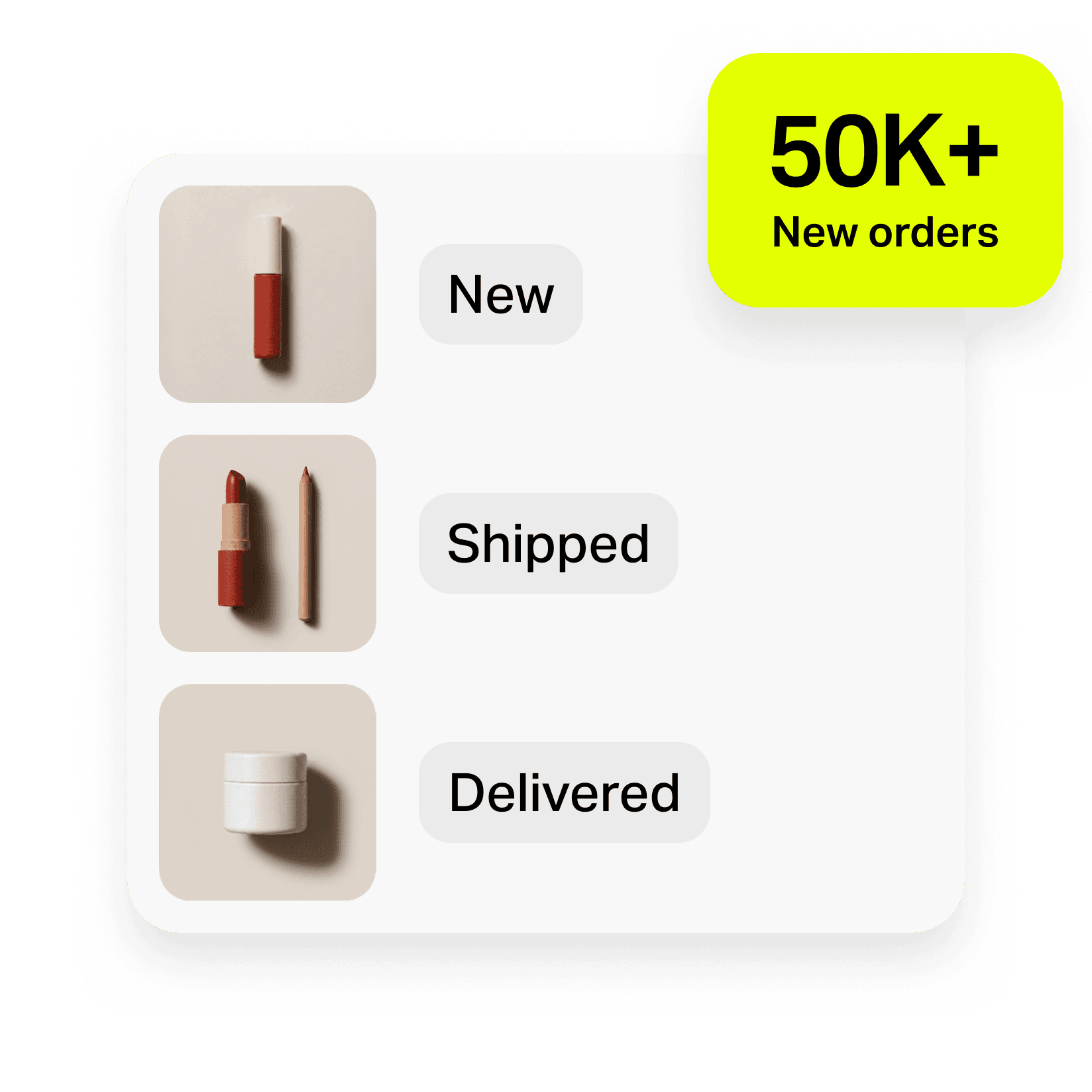
Tailored functionality and integrations that extend your platform and give your business a scalable, high-performance foundation.
Explore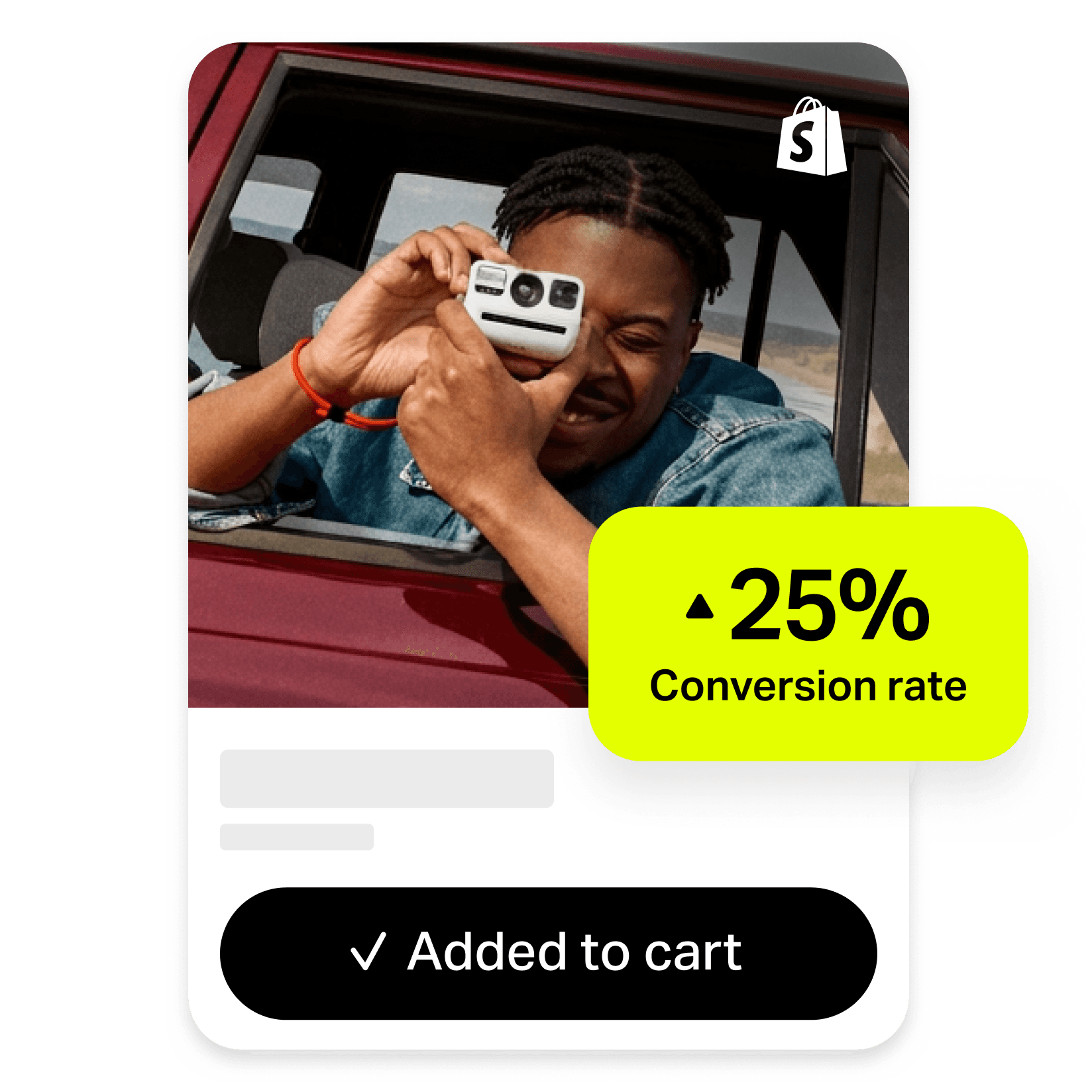
Shopify & Shopify Plus development
A Shopify or Shopify Plus store launched and scaled with a proven build process designed for higher conversion from day one.
Explore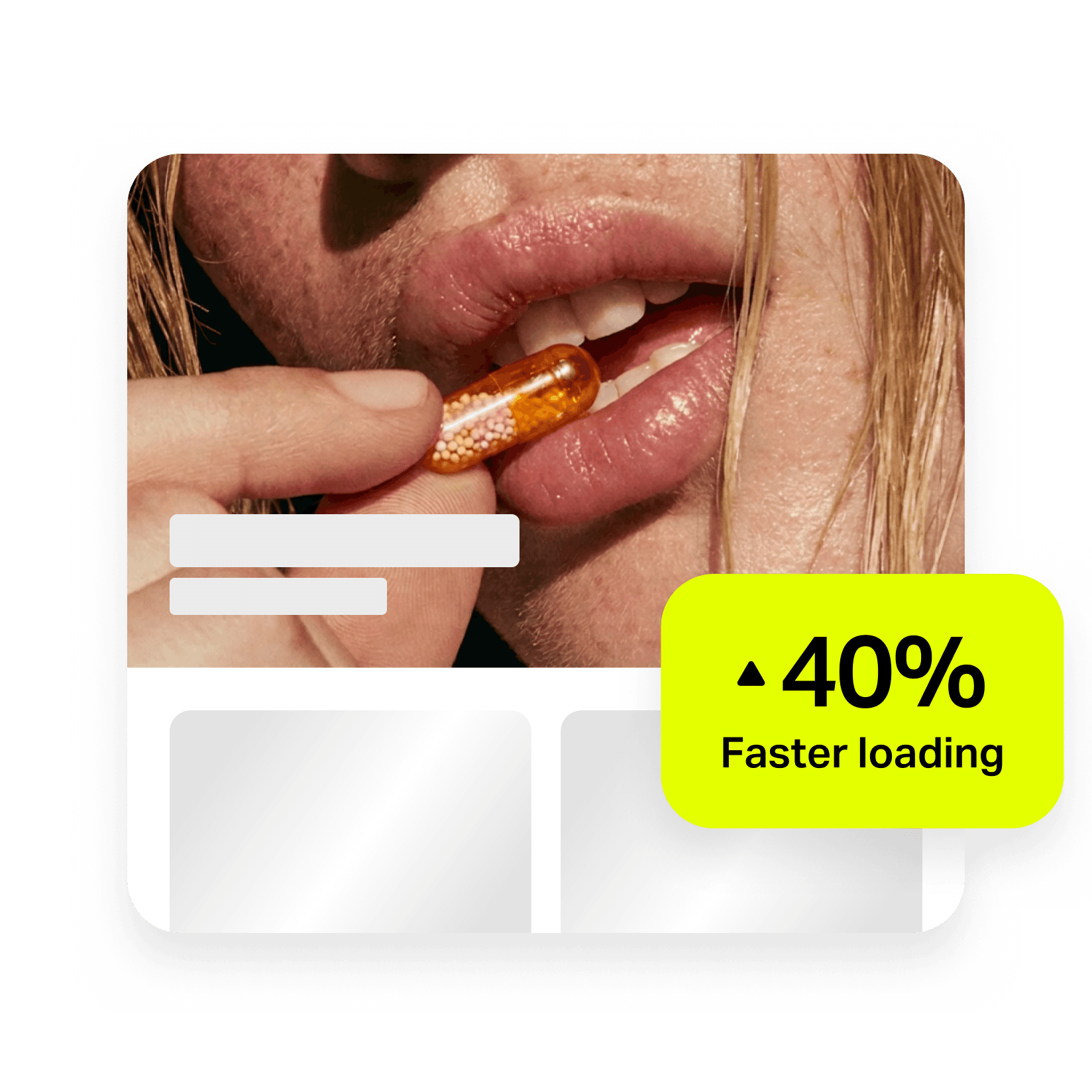
Site speed & performance optimization
Faster load times and stronger Core Web Vitals that reduce bounce rates, increase conversions and deliver a more reliable shopping experience.
Explore
Intuitive, emotional user flows
Shopping experiences designed to feel emotionally resonant, driving deeper engagement, higher AOV and more conversions.
ExploreEcommerce UX & digital design systems
A consistent brand experience across every touchpoint, built on a scalable design system that grows with your business.
Explore
Custom development & technical solutions
A clear, scalable digital roadmap that aligns your technology, channels and operations to support long-term D2C growth.
Explore