




+85%
Demand Generation
Transforming interest into momentum



About Demand Generation
True demand is not generated by a single isolated channel; it is the product of the underlying ecosystem that bridges them. We align acquisition, retention, and conversion strategies across channels to maximize omnichannel demand and ensure every media dollar compounds rather than competes.
By mapping demand programs to actual consumer behavior, we bridge the gap between storytelling and precision targeting, turning attention into measurable revenue across every decision-making touchpoint.
Our Demand Generation capabilities
AI search optimization (GEO & AEO)
Your brand structured so large language models and AI-driven commerce systems can interpret, cite and recommend you as the right answer.
Explore
ChatGPT Ads (GEA - AI Search Advertising)
Front Row is buying on the platform and rewriting the playbook as OpenAI continues to develop the platform and advertising capabilities.
Explore
Social media strategy & management
Driving demand through a holistic social media strategy that aligns with your brands goals, story, and product messaging framework.
Explore
B2B marketing
We combine performance media, content, automation, and analytics into one connected B2B demand program.
Explore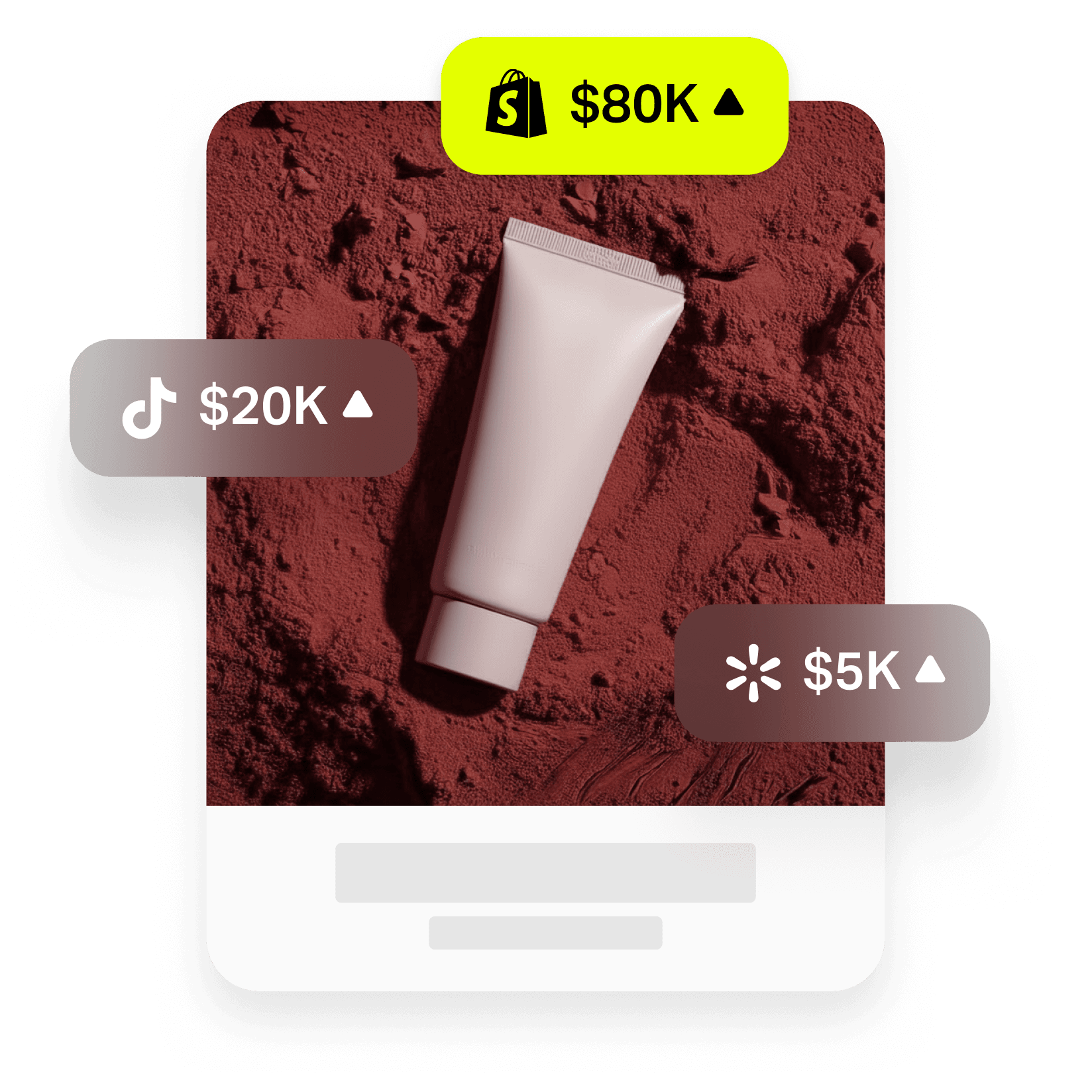
Connected growth strategy
A clear growth roadmap that identifies where to invest and where incremental revenue is being left on the table.
Explore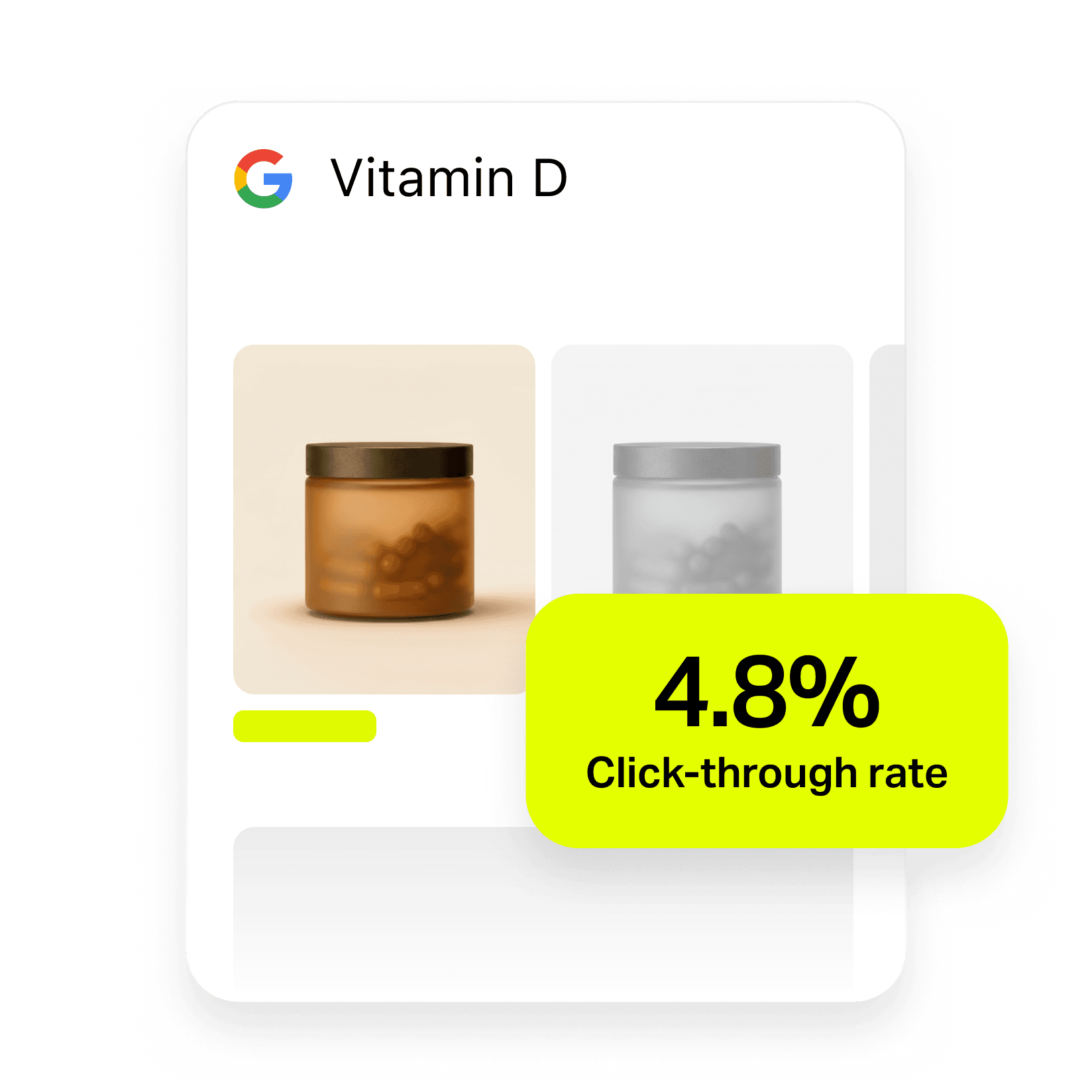
Search strategy & SEO
A technically sound, crawlable foundation built on search intent, content architecture and authority signals.
Explore
Influencer & creator marketing
Scalable creator partnerships that expand reach, fuel authentic content at volume and convert audiences into buyers.
Explore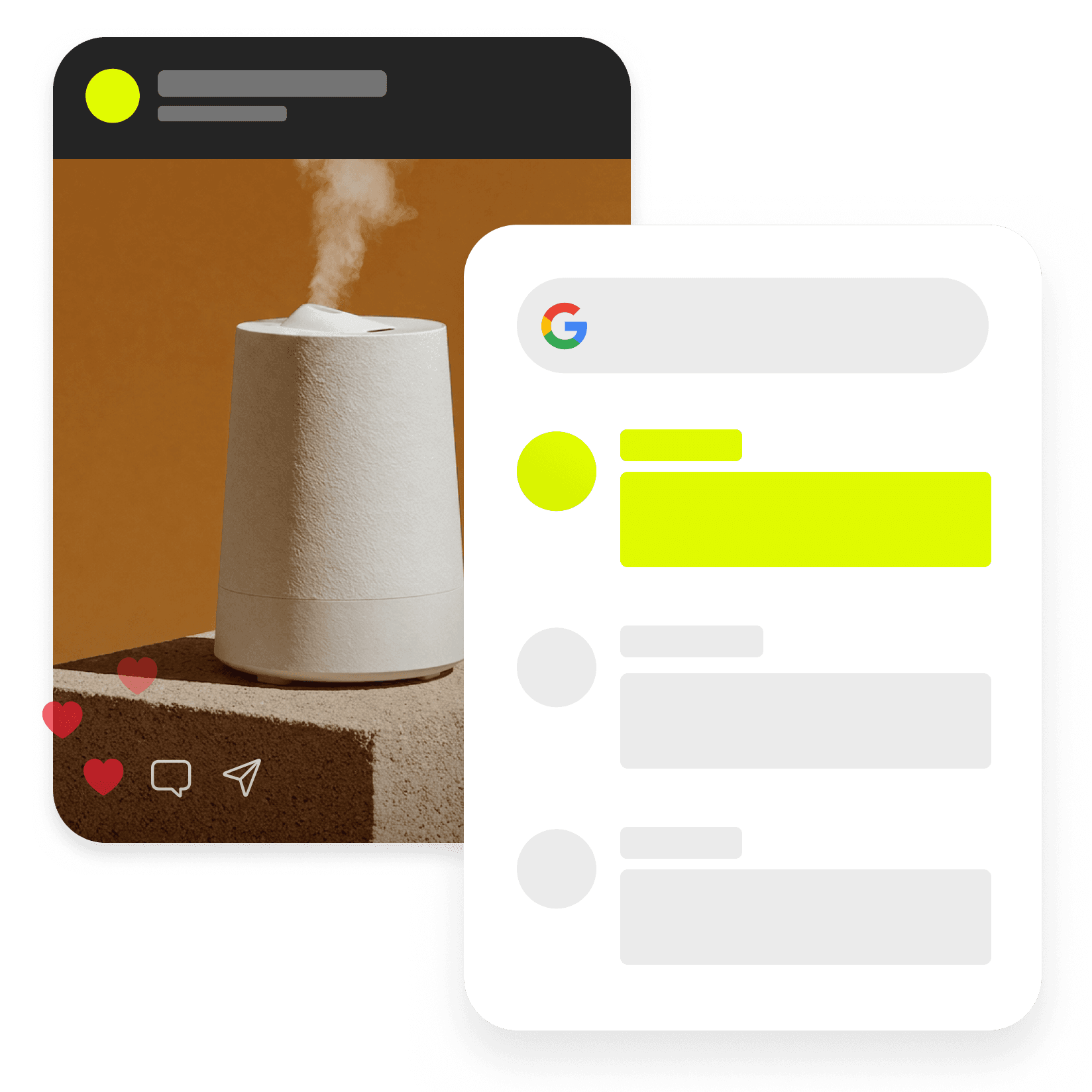
Performance media management
Performance media should drive profitable, scalable acquisition with unified attribution, so every dollar spent shows measurable revenue.
Explore
Lifecycle & retention marketing
Higher lifetime value and more repeat purchases through automated email and SMS flows, segmentation, win-backs and loyalty programs.
Explore
Conversion rate optimization
Higher conversion rates through continuous experimentation across D2C and Amazon, turning more visitors into buyers.
ExploreTrusted by brands globally














Success stories
Impact for our clients

55%
above-benchmark click-through rate
On the same TopView placement, a premium TikTok ad that plays automatically in full-screen with sound on the moment a user opens the app.
 Read the case study
43%
Increase in conversions
Following a refined audience segmentation and a focus on high-value customers and lookalike audiences to drive better engagement and higher conversion rates.
 Read the case study
Your questions answered
We have agencies running our paid media, SEO, email, and social separately. What does a connected demand approach change?
When demand channels run in silos, they optimize for their own metrics without accounting for how they affect each other. Your paid team drives traffic that your lifecycle program doesn't capture. Your SEO team builds content that your paid team doesn't use. Your social drives brand awareness that your Amazon team doesn't measure. A connected demand system makes every channel accountable to the same outcome and optimizes them as a system rather than a collection of separate programs.
Our ROAS looks fine but revenue growth has stalled. Where do we look first?
A strong ROAS often means marketing efficiency, not marketing growth. We look at MER, total revenue divided by total marketing spend, because it shows whether the whole system is expanding, not just whether individual channels look efficient. Stagnation despite healthy ROAS usually traces to one of two things: an upper-funnel deficiency where new audiences aren't entering the pipeline, or a retention failure where customers aren't returning. Because the fixes are different, we diagnose the specific constraint before recommending where to invest.
We're a D2C brand on Shopify. Is demand generation mostly about paid media, or is there more to it?
Paid media is a key acquisition lever, but it's frequently not the highest-leverage one for brands with an existing customer database and an underbuilt retention motion. Before increasing acquisition spend, we evaluate post-purchase behavior. Lifecycle segmentation, loyalty programs, win-back campaigns, and optimized email/SMS flows often unlock more revenue from your existing audience than another dollar of paid spend, at a fraction of the cost. We prioritize investment in that sequence.
How do you handle demand generation differently for Amazon versus D2C?
The strategies differ because the intent signals differ. Amazon demand generation focuses on capturing and accelerating existing intent, shoppers who are already searching convert fast. D2C demand generation is about creating and nurturing new intent, building awareness and educating customers over a longer cycle. Both use shared data and creative, but they require different tactics, metrics, and optimization approaches. We treat them as one strategy with two jobs, not two separate programs.