8%
Lift in brand consideration
Four times the category average. People aren't just seeing the ads, they're remembering the brand.
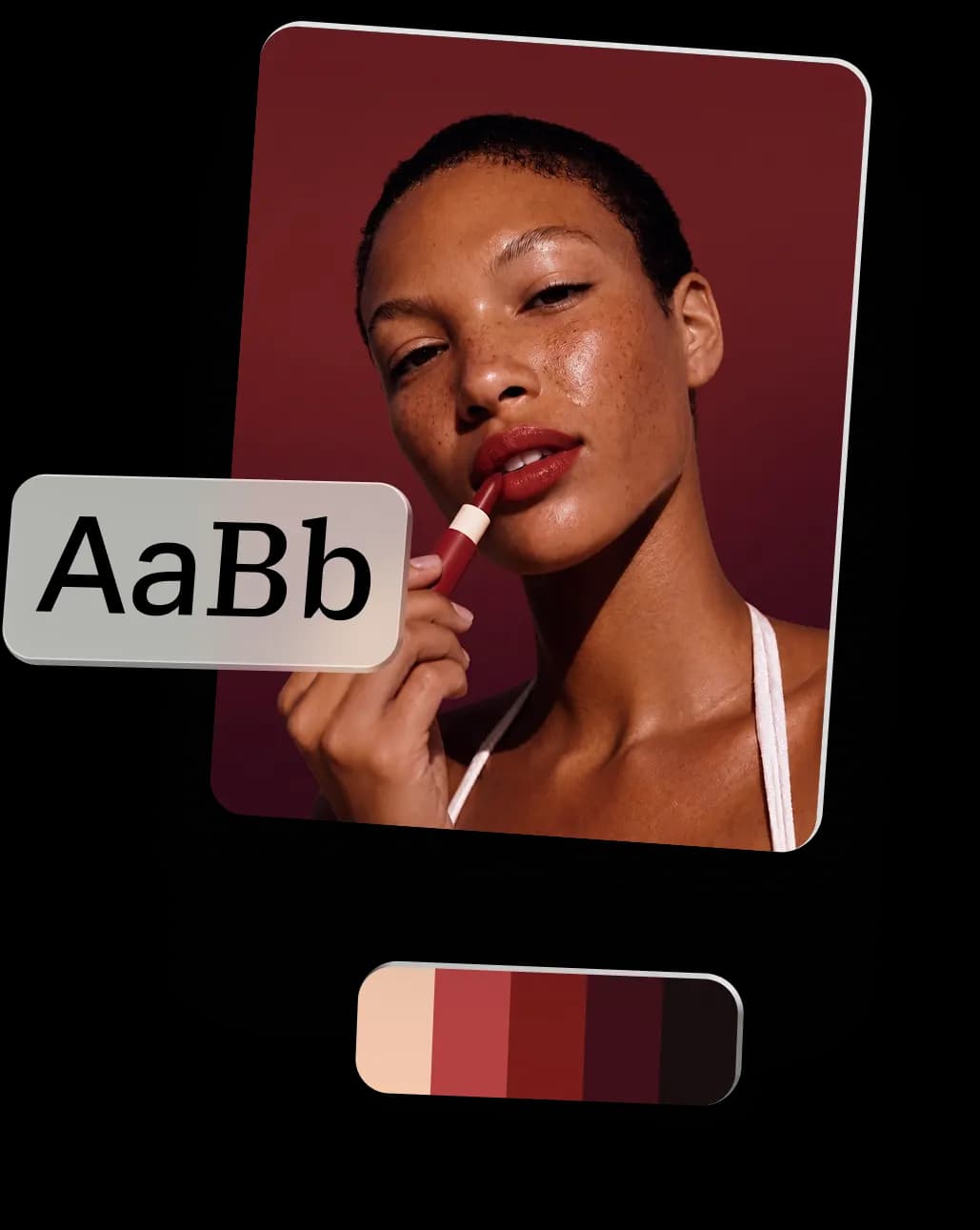

No consumer sits down and absorbs your brand one channel at a time. They channel-hop, and every stop either reinforces or erodes the impression forming in their head. A disconnect between your Amazon presence, your D2C site, retail shelf, and social is a trust problem. We build the systems that make your brand consistent, recognizable, and commercially sharp wherever consumers encounter it, from the first impression to the final decision.

We build the brand strategy, signals, and system that make your brand recognizable, trusted, and chosen across every channel customers make decisions.
Explore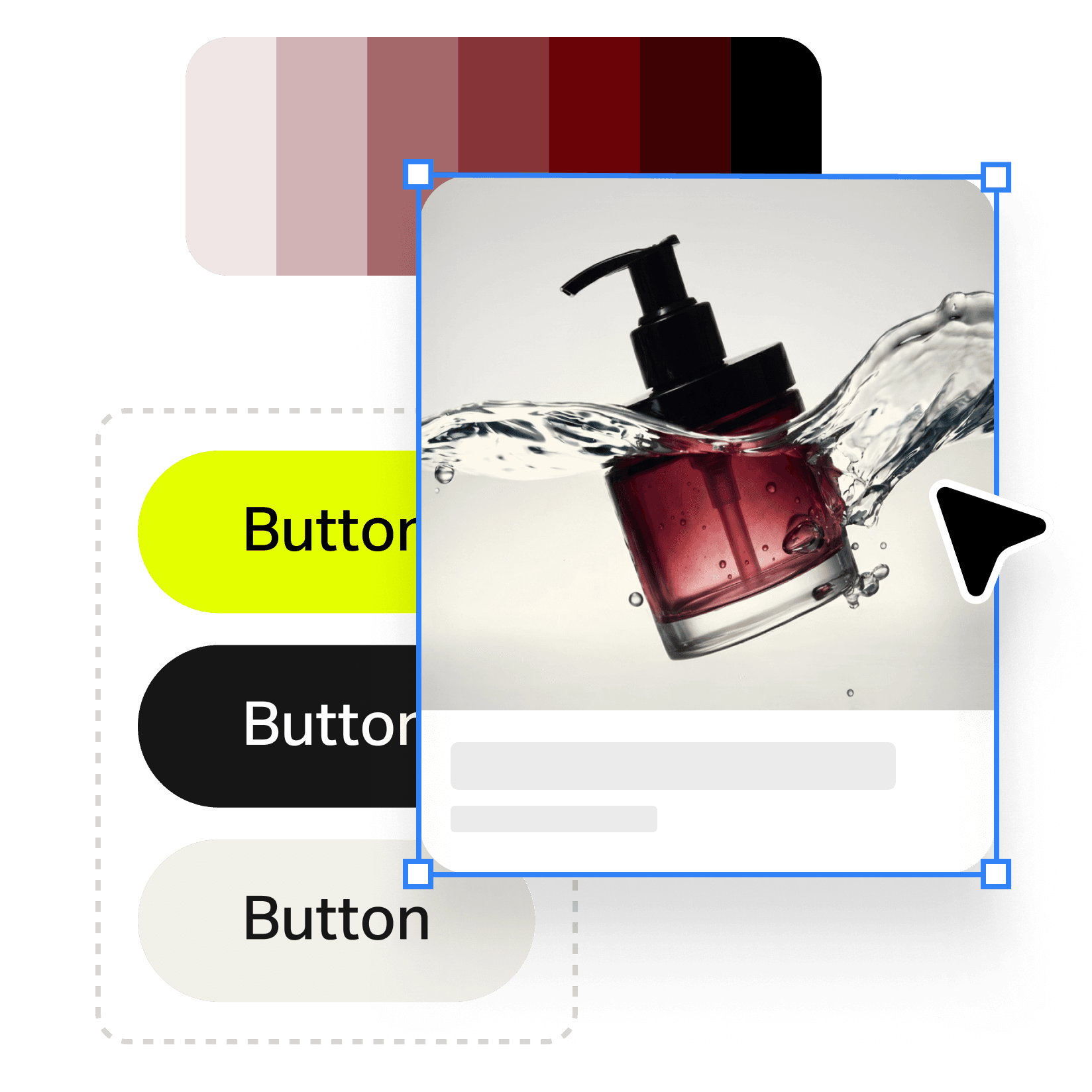
Consistent brand experiences across every channel, built on a scalable system your whole team can work from.
Explore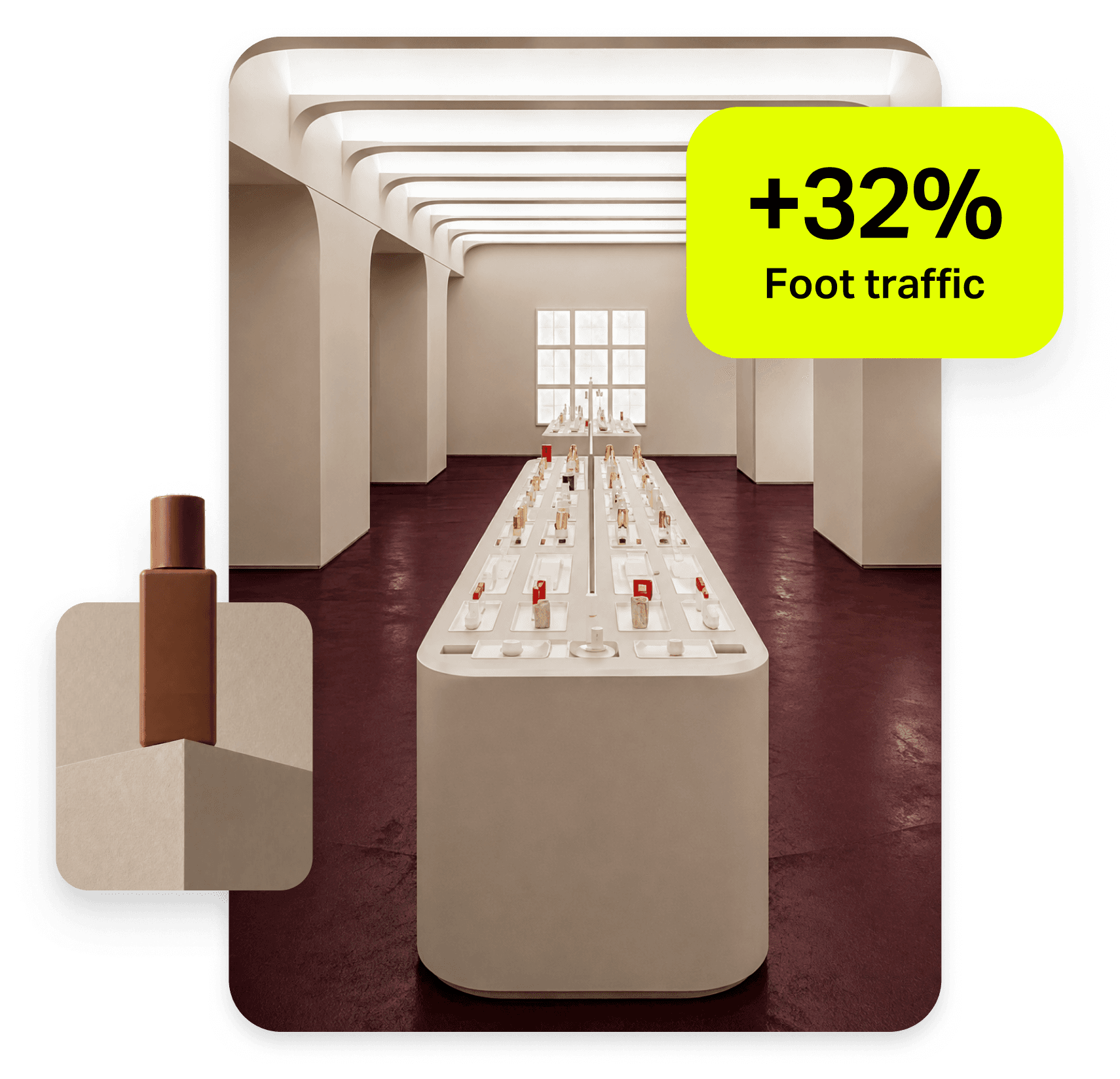
We bring brands to life in the physical world: from immersive flagship stores and shop-in-shops to pop-up experiences and global retail playbooks.
Explore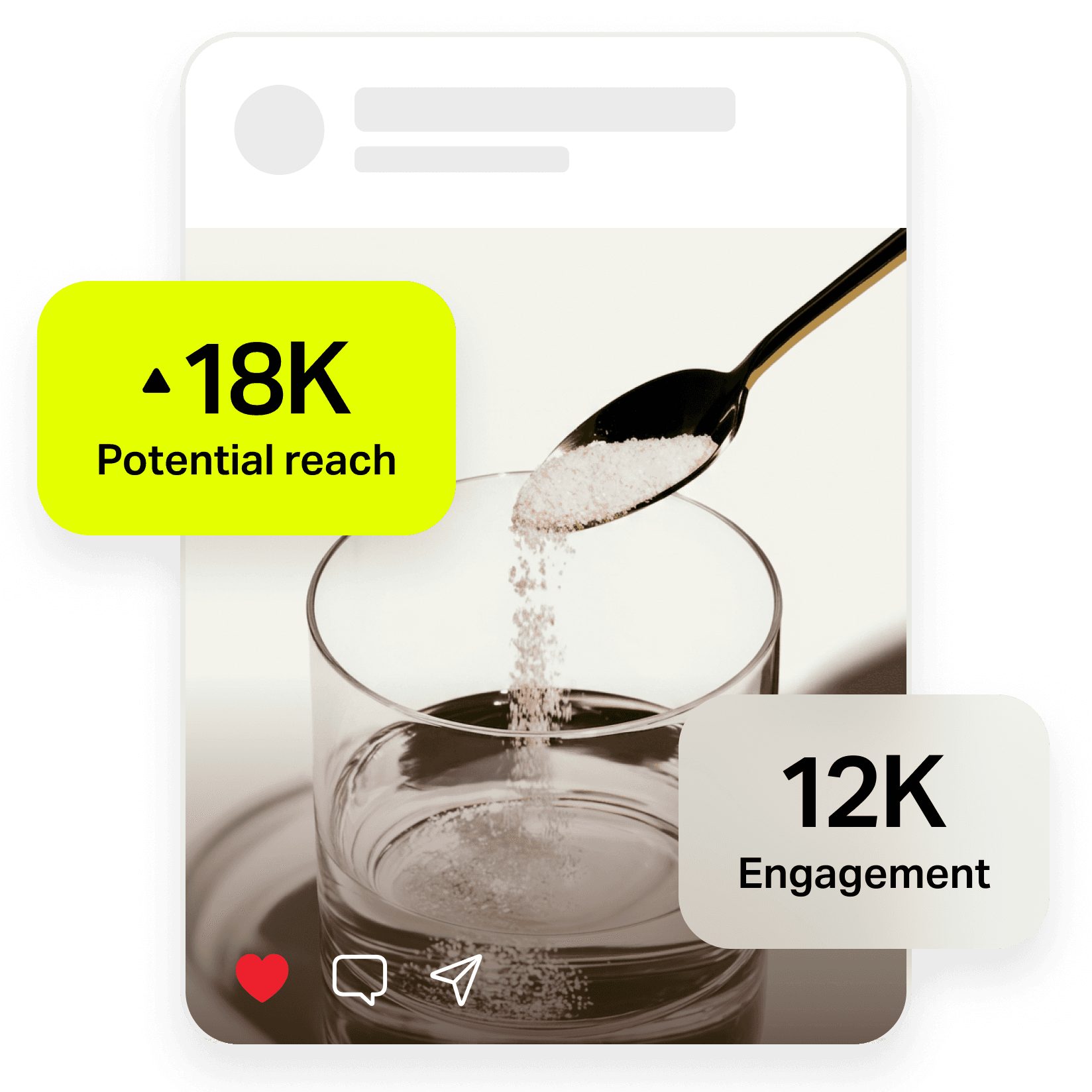
Strategy grounded in real consumer behavior, category trends and competitive signals, so your brand stays relevant and ahead.
Explore
A sharp positioning strategy that carves out your competitive whitespace, so customers instantly understand why your brand and not a competitor's.
Explore
A clear messaging framework so your brand says the right thing consistently across every channel, campaign and customer touchpoint.
Explore

















All three, and the fact that they have to work together is the whole point. A brand identity designed only for D2C breaks down on Amazon. Packaging designed only for retail doesn't convert on a product detail page. We build brand systems with every channel in the room from the start, so the identity, messaging, and design hold up wherever your consumer encounters you, and not just in the channel it was originally designed for.
The brands that scale fastest are the ones that built the system before they needed it. Brand inconsistency is cheap to ignore when you're small and expensive to fix when you're not. By the time it's clearly hurting conversion and retention, it's also embedded across your packaging, listings, and creative library. Getting the foundation right early means every dollar of growth you spend afterward is compounding against a coherent brand, not a fragmented one.
Brand identity and messaging work shows up in conversion and retention faster than most clients expect, typically within the first one to two quarters after implementation, as updated content, packaging, and channel assets go live. The compounding effect — category authority, organic search lift, retailer confidence — builds over six to twelve months.
You can start anywhere. The capabilities are designed to work together but each delivers standalone value. The most common entry point is Brand Strategy & Positioning because it informs everything downstream, followed by Brand Identity & Design. Consumer Intelligence tends to run alongside or just before either of those. We'll tell you honestly which starting point makes the most sense for where you are.
Brand building starts with understanding your consumer, including what motivates their purchase, where your competitors are crowding, and where the whitespace is. That work doesn't stay theoretical as it becomes the foundation for how you show up in paid media. Campaigns built on sharp positioning and real consumer insight consistently outperform campaigns built on creative instinct alone. When you know why a consumer chooses you, you know exactly what to say when it counts.