Beauty Brands Revolution: How 41% of all US Beauty Sales Now Happen Online
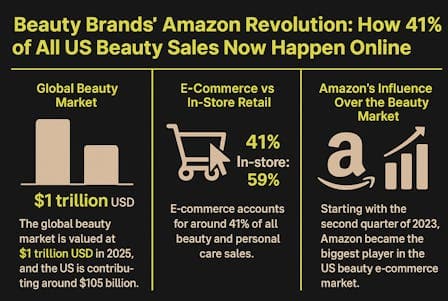
The global beauty market is valued at $1 trillion USD in 2025, and the U.S. is contributing around $105 billion. Furthermore, e-commerce is threatening to challenge the long-standing dominance of brick-and-mortar stores, accounting for around 41% of all beauty and personal care sales.
This is a major change in the industry, which is known for its face-to-face experience, where clients get to touch and see the products (even test) before purchasing. According to a recent NielsenQ report, this shift is attributed to the presence of e-commerce giants like Amazon and social media platforms (especially TikTok Shop).
The team at Front Row Group has years of experience working with brands in industries like Consumer Package Goods (CPG), Health and Wellness, and Beauty, in both online and physical stores, and with their help, have put together a brief guide to help brands understand how we got here and what they should expect moving forward.

E-commerce vs. In-Store Retail
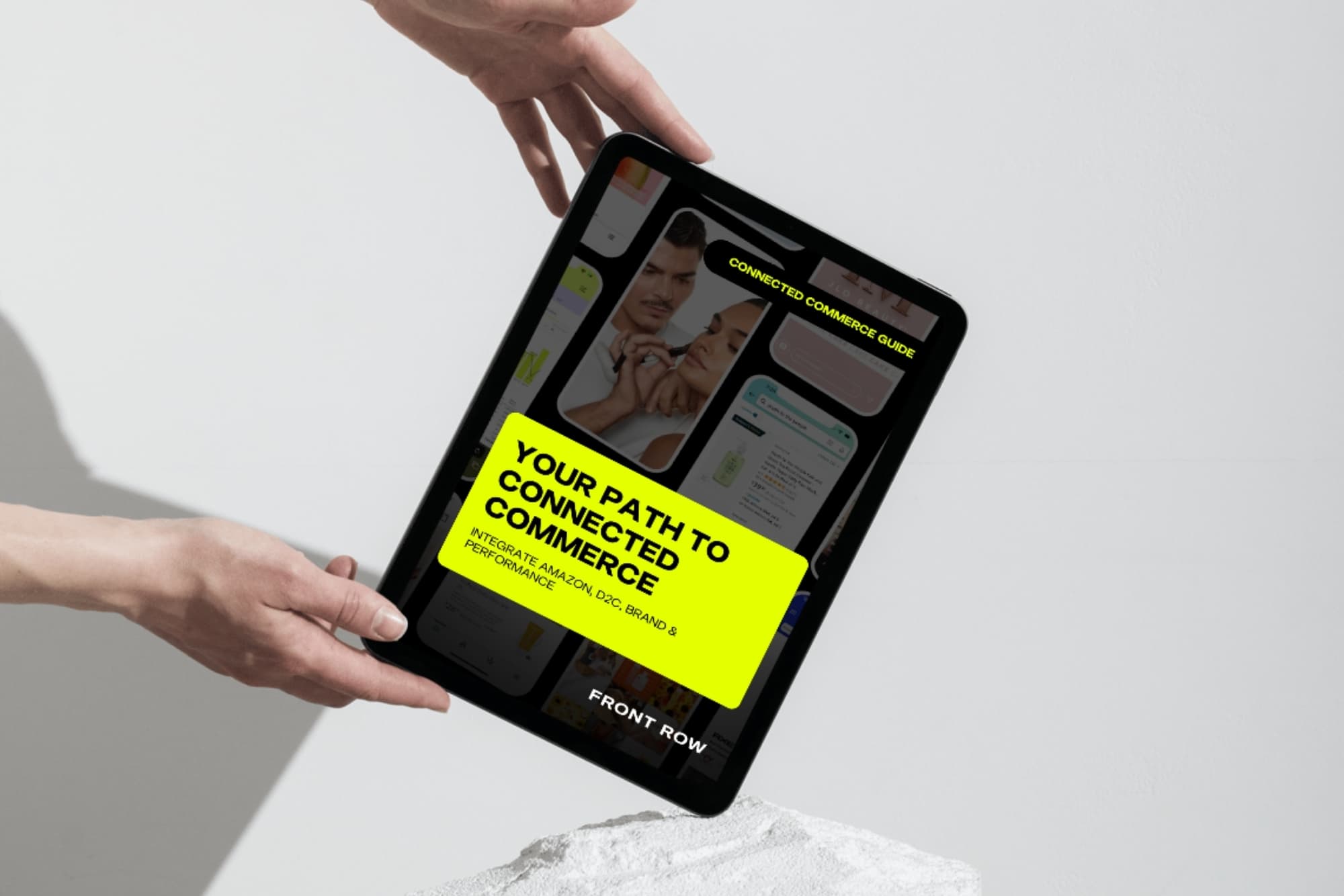
You don’t need industry reports to know that beauty brands without an online presence have no chance in the current market. While there are plenty of brands that knock traditional retail out of the park (Sephora, Drunk Elephant, Huda Beauty), the throughline is the understanding that every channel needs to connect, ensuring customers can find your brand wherever they are in the shopping journey. We call this interconnected phenomenon of the modern day shopper Connected Commerce:
Connected Commerce is our answer to fragmentation, fatigue, and formulaic approaches plaguing brand growth today. It’s not just omnichannel, but omnipresent, integrated, and built around real behaviors of real people. Connected Commerce is an integrated growth philosophy that treats every consumer touchpoint, from Sephora to Amazon, as part of one unified brand experience.
It’s about collapsing internal siloes to reflect external realities. Shoppers want to see and experience brands across the entire commerce ecosystem, and they expect those brands to show up consistently, intelligently, and creatively across the entire journey. Connected Commerce is about ensuring your brand is searchable on Google, discoverable on TikTok, reinforced with reviews on Amazon, tangible at Sephora, and community-led with engaging content on YouTube. This complete ecosystem allows your brand to meet the consumer where they are, fostering trust and organic engagement.
Before e-commerce took off, shoppers would go to stores to discover new brands and test new products. Today, they turn to beauty influencers on YouTube, Instagram, Facebook, or TikTok. The online beauty content world is so massive that it’s nearly impossible to scroll without running into someone sharing their skincare routine or a Get Ready With Me (GRWM) video—whether you’re looking for it or not.
The strongest beauty brands don’t just exist online or offline. Rather, they create resonance across both. Every in-store experience now begins with online discovery, and every TikTok GRWM moment feeds into marketplace conversion. That’s the essence of a Connected Commerce ecosystem.
Amazon’s Influence Over the Beauty Market
Starting with the second quarter of 2023, Amazon became the biggest player in the U.S. beauty e-commerce market. The retail giant dethroned Ulta Beauty and Sephora, becoming the first place users go to for product discovery, research, and purchase.
This is due to a series of factors, like:
- Convenience
- A wide selection of products (around 33 million in 2024)
- Good prices
- Fast delivery
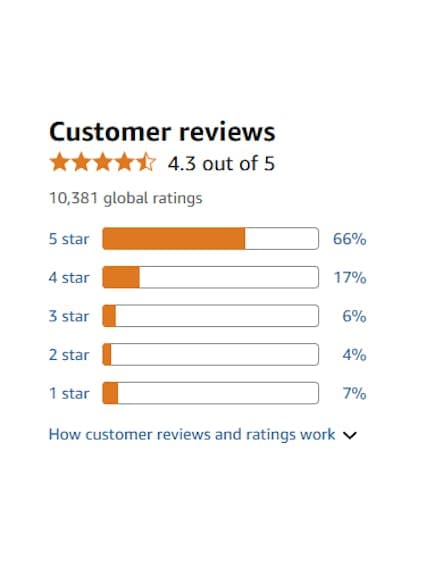
Let’s be honest: People love to shop from the comfort of their home. Plus, many beauty influencers use Amazon to sell the products they recommend. When you have a trustworthy figure presenting and testing different beauty products, it’s easier to skip the going-to-the-store step.
Add to this the fact that you can connect your TikTok shop to Amazon and use the FBA system to manage shipping, and it’s easy to understand why the retailer blew up on this niche.
At Front Row, we see Amazon not as a competitor to traditional retail, but as the connective engine that powers it. Reviews, visibility, and Prime convenience validate discovery. The brands winning on Amazon are those that build intentional connections between their retail shelves, social content, and marketplace presence.
Brick-and-Mortar Stores Still Pack a Punch
Physical stores are still vital for the industry. Besides the tactile and olfactory experience, shoppers also enjoy the personalized consultations and advice they can get from brand representatives. It’s not about choosing between storefronts and scrolls, but ensuring both speak the same language. Physical retail remains the tactile proof of a digital identity, and when powered by Connected Commerce strategies, it transforms into an extension of online storytelling.
The best example of a brand that’s holding strong in the brick-and-mortar space is Sephora. With over 1,775 stores in the United States alone, the company has discovered the secret to staying relevant in an industry that’s progressively moving online.
It achieved this by creating a community and investing heavily in brand visibility, especially for younger shoppers. The consumer journey is fragmented more now than ever before, and a new generation of shoppers utilizes in-person experiences to reinforce a brand’s online presence, not to replace it.
This is our philosophy in practice: uniting social discovery, influencer storytelling, and retail touchpoints into a single, continuous brand experience. The strongest beauty brands are strategically using digital and physical experiences to validate one another.

Trends that Drive Buyers Online
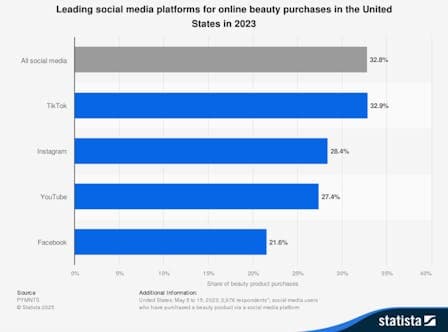
Social commerce (e-commerce from social media platforms) is responsible for 68% of beauty sales globally, according to the NielsenQ report mentioned earlier. At the top is TikTok, followed by Instagram, YouTube, and Facebook.
You can now find, research, and buy products without even leaving the platform. Social media is also one of the biggest engines for customer acquisition. It’s easier than ever to discover names you’ve never heard of—they just pop up on your feed.
Today’s clients are interested in innovation, but also care about clean beauty (cruelty-free, sustainable packaging, ethical sourcing, and so on). To get this information, buyers have to go online and research the brand or delegate this task to their favorite beauty influencers.
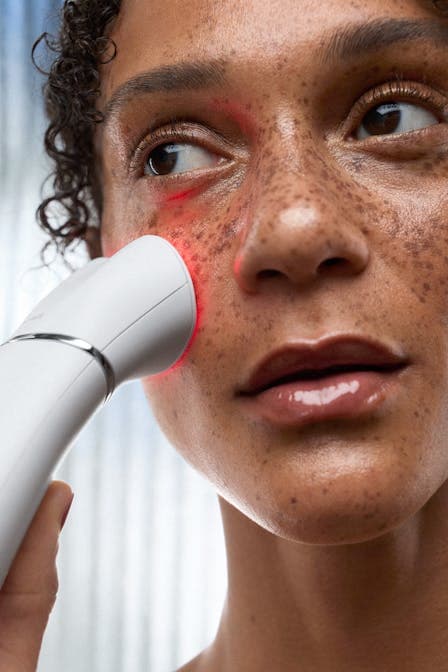
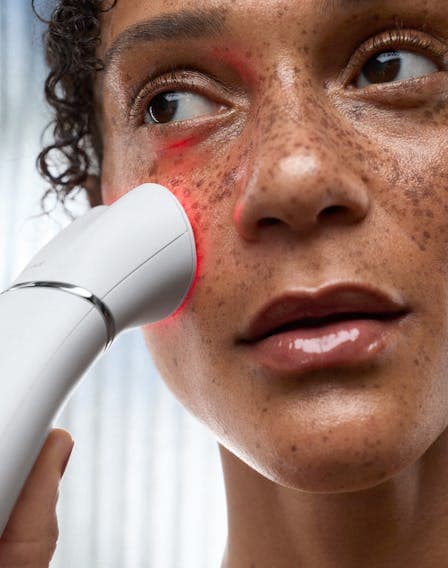
Recent trends, like layering products, double cleansing, glass skin, or red light therapy, have boosted the skincare industry to new heights. The generated hype has exposed many consumers to products they may not have considered otherwise (or learned about).
From Point of Sale to Point of Experience
Forget the idea of online versus offline. The beauty revolution is about integration. The brands dominating this new era aren't only selling products; they're creating a seamless loop where trends born on TikTok are brought to life in-store, and the convenience of Amazon fulfills the final purchase.
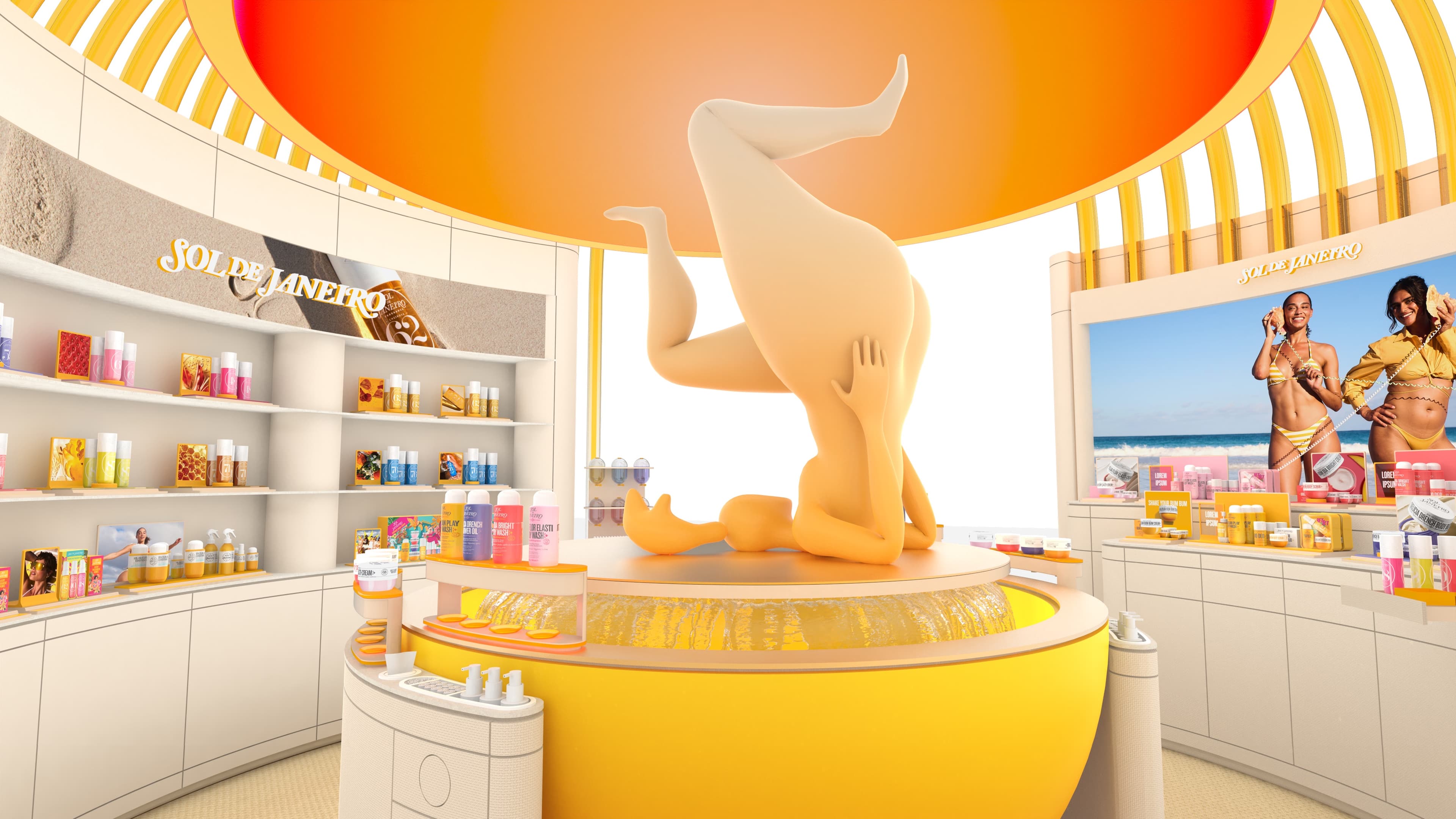
The physical store is no longer a simple point of sale; it's a content studio, a community hub, and the real-world expression of a brand's digital identity. In an industry where 41% of sales happen online, a shop that only sells products isn't just outdated. It's already been left behind.
At Front Row, we help brands navigate this loop, connecting the dots between platforms, partners, and performance. Because in beauty’s new era, growth doesn’t happen in silos. It happens in systems.