Prime Day 2026: The Category Data Was Flat. Front Row Brands Weren't.
Across the category level, Prime Day 2026 didn't deliver the growth shoppers and sellers have come to expect. Estimated sales data from Perpetua Prism shows event-over-event performance (week of June 21, 2026 vs. week of July 6, 2025) holding flat or sliding in nearly every major category. Health & Household grew a modest 6%. Beauty inched up 1%. Electronics dropped 20%. VMS slipped 2%.
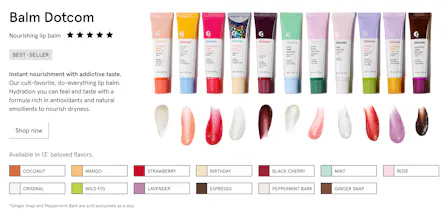
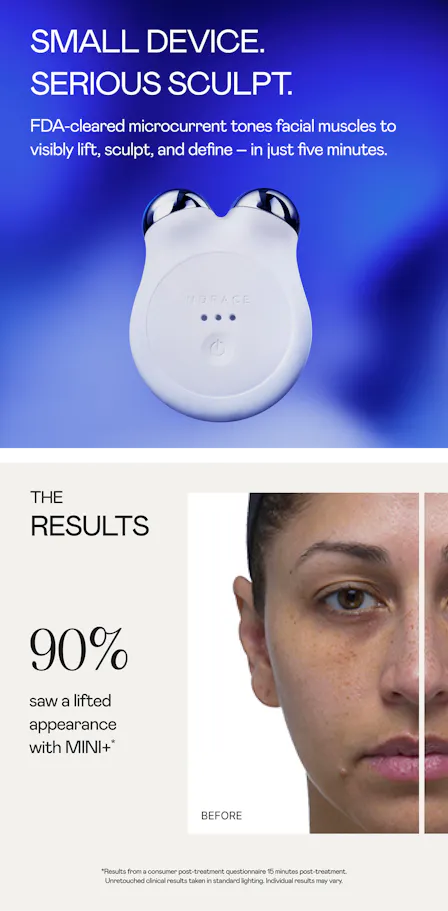
Front Row's brands told a different story: 58% average growth event-over-event. Beauty brands were up 73%. Health & wellness brands rose 50%. CPG climbed 25%. We were operating the same event, with the same macro headwinds, but with very different outcomes than competitor agencies.
The Category Story: Consumers Shopped Like It Was a Tuesday
This year's Prime Day behaved less like a shopping holiday and more like a well-timed grocery run. Sales patterns point to consumers using the event to stock up on essentials and replenishables, not to indulge in discretionary buys. Beauty was the one category that broke the pattern, and even there, the exception was narrow.
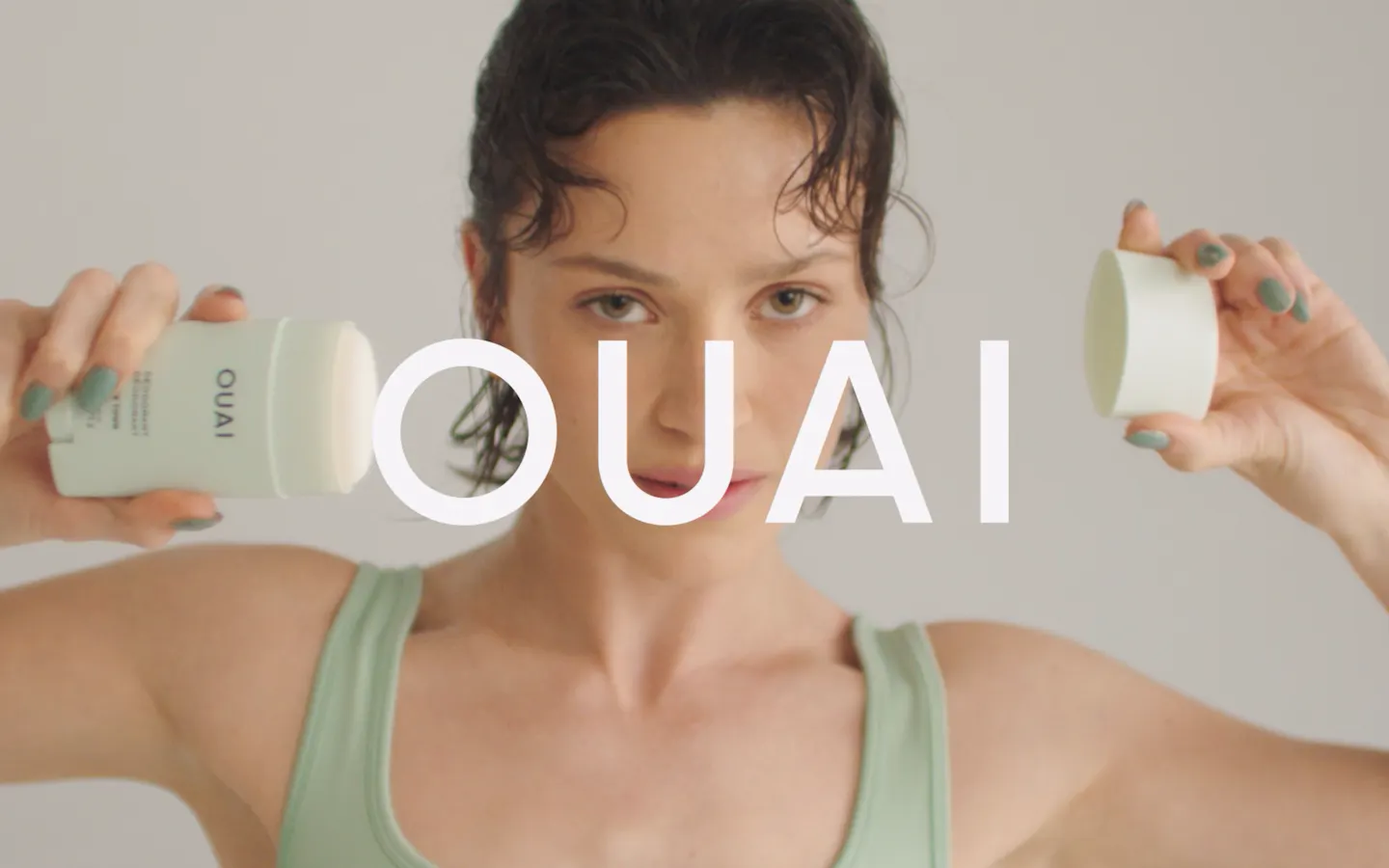
Beauty: $1.4B, +1% EoE
Makeup was the category's bright spot, up 12% EoE and outpacing every other beauty subcategory, skincare included. Skincare grew a solid 4%, with skincare tools up 9%. Hair care declined 2% overall, but the top sellers tell a more interesting story: a clear consumer pull toward premium, hair-healthy styling tools. The Shark FlexStyle multi-styler ($350 MSRP) and the Dyson Airwrap ($650 MSRP) were the top two best-selling beauty products of the entire event week. Fragrance was the category's soft spot, down 17%.
Health & Household: $1.99B, +6% EoE
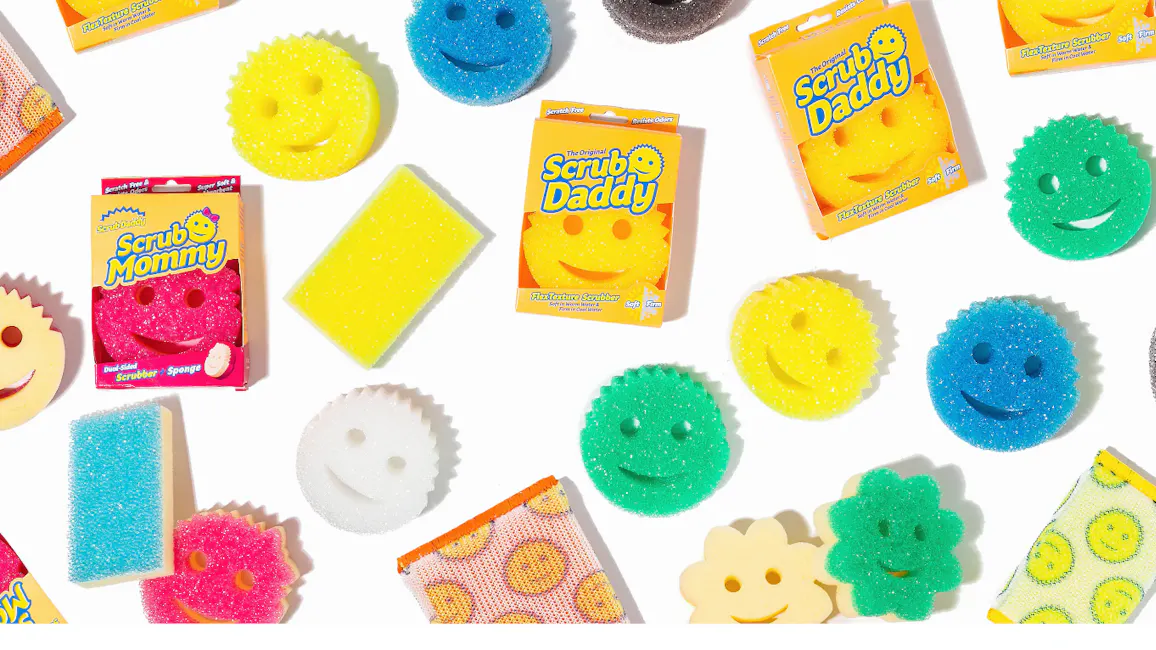
The strongest of the major categories, and the data backs up the "stock-up" thesis directly. Sponges outgrew the category average, up 12% EoE, which is about as clean a signal as you'll get that shoppers used Prime Day to restock the pantry closet, not treat themselves.
Protein: A Format Shift, Not a Category Slowdown
The migration away from mix-in protein formats and toward ready-to-drink consumables continued. Protein sales within Diet & Sports Nutrition held flat at 0% EoE, while protein drinks in Grocery jumped 42%. The category isn't shrinking. It's changing shape.
Electronics: $1.3B, -20% EoE
The clearest evidence that big discretionary spend sat this one out. We usually observe electronics as a top selling category, both in sales and growth.
VMS: $552M, -2% EoE
Roughly flat, consistent with a category that leans on routine, not impulse.
What Shoppers Actually Bought
Outside of Shark and Dyson, which drove deal-fueled demand at the top of the beauty leaderboard, the rest of the best-sellers skewed toward lower price points. When shoppers aren't treating an event like a tentpole moment, they get selective. They'll splurge on the one deal that feels genuinely rare, and stay disciplined everywhere else.
Why Front Row Brands Outran the Category
The category data makes one thing clear: growth wasn't handed out this Prime Day. Every brand that grew, grew because something about the strategy, the positioning, or the offer earned it.
Front Row brands beat category averages by wide margins in beauty, health & wellness, and CPG alike. That's the payoff of a connected ecosystem done right: brands that show up with the right offer, in the right channel, backed by data instead of guesswork, outperform Prime, even when the event itself was soft for most brands. Here’s some of the strategy behind how we did it:
It started with assortment. Brands that walked in with a tight, curated lineup and a discount of 30% or more gave shoppers a reason to stop scrolling.
Momentum mattered just as much as the offer itself. The brands that led with prep two to four months out saw the payoff on event day. Lead-up trajectory turned out to be the single strongest predictor of Prime Day performance, which means the event was won or lost well before it started.
On-Amazon merchandising is more crowded every year, so the brands that broke through brought their own traffic with them. Email, social, TikTok ads, affiliate. Visibility built off Amazon translated directly into demand on it.
Paid media pulled its weight too. As organic share declined across the board, paid sales growth tracked closely with topline growth, but only for brands that kept their investment balanced rather than overcorrecting in either direction.
None of these levers worked in isolation. The brands that outperformed treated promotional strategy, paid, SEO, content, affiliate, and logistics as one system, not five separate line items. That 360-degree approach is what actually fuels the flywheel.
Prime Day 2026 wasn't a big year for the category. Rather, it was a good year for the brands that were built to compete regardless of what the category was doing.
Data sourced from Perpetua Prism, comparing the week of June 21, 2026 against the week of July 6, 2025. Figures reflect total event estimated sales and are not exclusive to Front Row brands unless noted.