THE Q2 AFFILIATE & INFLUENCER MARKETING PLAYBOOK
Q2 is when influencer and affiliate marketing either compounds your brand’s momentum or exposes your gaps. Spring resets, wellness routines, and gifting moments create a natural window of demand, but only brands with structured programs truly capture it. The influencer marketing industry is projected to hit $33 billion in 2026, and as the category matures, beauty and wellness brands are realizing this isn’t an awareness channel anymore. The rules have changed, and the brands that adapt now will set their growth curves for the rest of the year.
Here’s the playbook our team is using to make the most of Q2.
Bigger Isn’t Better Anymore! Cast for Trust, Not Reach
The mega-influencer era is starting to feel like quiet luxury’s opposite: loud, expensive, and not nearly as effective as it looks. The pendulum has swung to creators who trade on credibility instead of clout. Micro and mid-tier voices, those with audiences between 10K and 300K, are dominating engagement rates, generating stronger conversions, and commanding real loyalty in communities that care about results. The trend is especially pronounced in beauty and wellness, where trust is the purchase trigger and lived experience beats algorithmic reach every time.
Follower counts have become a vanity metric: impressive to investors perhaps, but meaningless if the audience isn’t aligned or active. Engagement rate, content quality, and audience fit have emerged as the new casting criteria. Brands in wellness niches like gut health, sleep, and hormonal balance see the best results when working with creators who share personal context: the nutritionist who talks openly about balancing cortisol, the fitness coach documenting hormone cycles, or the creator demystifying skin barrier repair after acne. These aren’t celebrity endorsements, rather lived journeys that convert because they feel authentic.
And yet, “authenticity” doesn’t mean “sporadic.” The era of one-and-done influencer posts is fading fast. Quarterly “capsule partnerships,” recurring collaborations that build storylines, are outperforming every time. See Glow Recipe’s multi-month partnership with Katie Fang, which evolved from a single launch moment into a running brand love story. The takeaway for Q2: cultural alignment is your north star. Forget trend-chasing; find the voices who make your brand feel native to the conversation audiences already care about.
Affiliate Programs Are Growing Up. Treat Yours Like a Performance Channel
For years, affiliate marketing lived in the marketing department’s “Miscellaneous” files. Now, in 2026, it’s a measurable revenue line item and one of the fastest-growing levers in modern commerce. The brands winning are the ones treating affiliate programs as performance channels, built with structure, incentives, and clear attribution, not just a scattershot roster of commission codes.
Flat fees are fading in favor of smarter models: cost-per-acquisition (CPA) and revenue-share agreements that align what you pay with the results you actually see. This is not just budget-savvy, but it’s also how you motivate affiliates to act like true partners. The smartest programs are diversified, mixing creators with influential blogs, media sites, and niche publishers to reach customers at different moments of the funnel.
Attribution is the other piece of the puzzle. Without it, you’re flying blind. Code use, conversion data, lifetime value, and retention are the metrics that separate a forward-thinking affiliate operation from a legacy one. Take TikTok Shop as a case study. Milk Makeup generated $119K in gross merchandise value and nearly 3x ROAS from a creator affiliate cohort because they treated the program like performance, not PR. When affiliates become accountable drivers of measurable outcomes, the channel stops being supplemental and starts being scalable.
AUTHOR'S NOTE:
Affiliate marketing has evolved from a performance lever into a creative growth engine, one that can amplify storytelling, drive measurable results, and deepen brand visibility on Amazon.
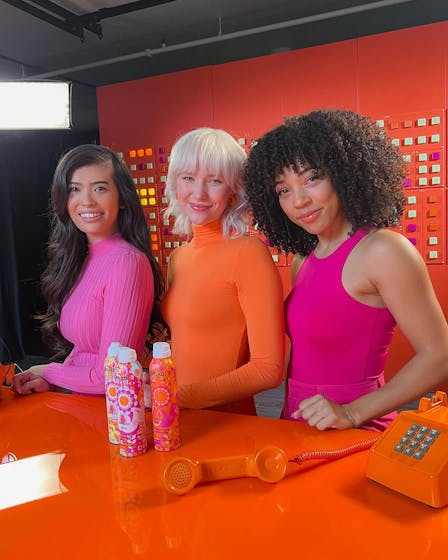
For ColourPop, a beauty brand known for its playful innovation and inclusive beauty ethos, this success came to life on Amazon during Prime Day. With Front Row, the brand set out to prove that affiliate could convert products while simultaneously strengthening the brand’s presence on the channel.
Platform Strategy — Where to Put Your Energy in Q2
Not every platform deserves your full attention this quarter. TikTok officially overtook Instagram as the top influencer campaign platform in 2026, but that doesn’t mean every brand should chase the same plays. The best strategies work by understanding each platform’s unique psychology and leaning into their strengths.
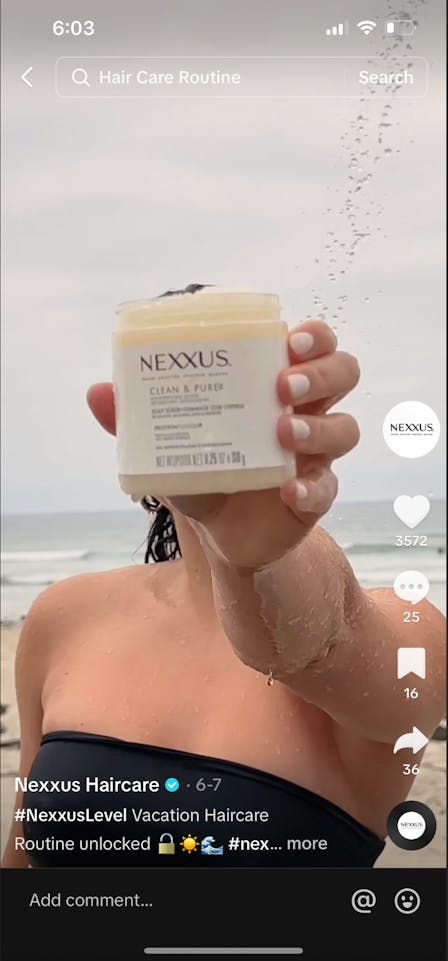
TikTok still owns discovery and impulse. It’s the new beauty counter, a blend of entertainment, education, and one-tap purchase that shortens the distance between awareness and action. Live commerce, embedded checkout, and authentic micro-moments make it a full-funnel environment where creative storytelling sells in real time.
Instagram, on the other hand, remains the brand community’s anchor. Stories, link stickers, and carousels aren’t flashy, but they quietly deliver some of the industry’s highest conversion rates because they serve an audience already primed for trust. For brands using influencers as educators rather than entertainers, Instagram is still the best classroom.
Meanwhile, YouTube continues to prove its worth as the overlooked powerhouse. Evergreen tutorials, in-depth reviews, and topical explainer content have long tails that outperform anything short-form when it comes to products with complex claims: skincare actives, ingestibles, wellness devices.
The advice here is simple but strategic: Don’t chase every avenue. Choose two platforms and go deep. Build creative continuity, repurpose your top-performing content, and treat every video, post, or clip like an asset with measurable intent behind it.
Measure What Matters
If your influencer dashboard still opens with likes and EMV, you’re looking at the wrong scoreboard. The metrics that matter in Q2 are about outcomes, not output. Leading brands are shifting from vanity KPIs, like impressions, likes, and follower growth, to performance KPIs that actually map to business impact: conversions, affiliate code use, repeat purchase, and retention lift.
The shift is measurable. 63% of businesses now include ROI-specific targets in their influencer contracts, a figure that’s only expected to rise through 2026. That evolution is transforming how brands evaluate creative investment. Repurposing creator content for paid media, particularly through TikTok Spark Ads, is also becoming a core tactic, reducing creative overhead while improving paid performance through social proof. The best creative testing often starts with influencer collaborations that perform organically before they ever hit the ad budget.
Another underrated metric? Saves and shares. A “save” signals intent, the digital equivalent of setting a product on your nightstand to try later. A “share” reflects advocacy. Both outperform likes as conversion predictors, and yet most brands still bury them beneath surface-level engagement reporting. Building a Q2 influencer dashboard that tracks intent and action side by side is what separates the metrics-savvy marketers from the ones wasting spend in the name of “buzz.”
Where Amazon Comes In
All of this builds demand: awareness, intent, and desire. But in beauty and wellness, Amazon remains where demand most often converts. For brands with first or third-party setups, it’s the final mile that seals the funnel. Yet most influencer programs stop just shy of connecting to it, leaving qualified traffic to leak out before the sale.
The differentiator going forward is tighter integration between influencer programs and Amazon operations. Creator content can now live directly on your product listings, shoppable, social, and perfectly aligned with consumer research behavior. It’s underutilized and quietly high-impact. What’s more, new affiliate attribution tools enable a clearer line of sight from off-Amazon influencer traffic to on-Amazon conversion data. That’s an analytical leap forward that finally allows marketing teams to see what’s always been happening behind the curtain.
The brands that bridge these worlds—influencer storytelling up front, Amazon optimization at the back end—are the ones realizing full-funnel ROI on their creator spend. And the truth is, most of your competitors aren’t there yet.
The opportunity is wide open.
At Front Row, we help beauty, health, and wellness brands build influencer and affiliate strategies that don’t stop at the social post. We connect the dots between awareness, performance, and conversion, so your marketing isn’t just visible: it’s totally measurable.
Let’s make Q2 your most efficient growth quarter yet.