WHY BRAND BUILDING IS RE-ENTERING THE PERFORMANCE CONVERSATION
Performance Alone No Longer Creates Growth
For years, performance marketing was the engine of efficiency at scale with every click measured and every conversion tracked. But in 2026, that model is hitting a wall.
Rising CPMs, slower marginal returns, and platform saturation prove the performance equation is breaking down. While it’s optimized to capture demand, it’s not great at creating it. Instead, growth depends on how well your brand generates, sustains, and multiplies new demand before the race even starts.

The Performance Plateau Is a Demand Problem
Many brands are under the impression that declining performance means their media strategy needs fixing, when in reality, it’s a demand problem.
Here’s what our teams are seeing:
- Creative fatigue across paid channels
- Over reliance on promotions to drive volume
- Shorter performance cycles with weaker long-term lift
You can try, but there’s no way to optimize your way out of a saturated market. What lifts performance again is creating differentiation, and brand is how you build it. Brand expands the top of the demand curve so every performance dollar works harder.

Brand Building Shapes How Consumers Convert on Amazon
On Amazon, brand equity is visible in the metrics. Strong brands consistently outperform across:
- Conversion rate: recognition drives faster, higher-intent purchase behavior
- Premium tolerance: shoppers pay more for brands they trust
- Sustained velocity: performance holds even after deal periods or ad pressure ease
The value-add of Amazon is that the marketplace has evolved from a transaction platform to a complete validation engine, and your brand’s strength influences how consumers interpret every product page, search result, and review.
Creative Is the Missing Infrastructure Between Brand and Performance
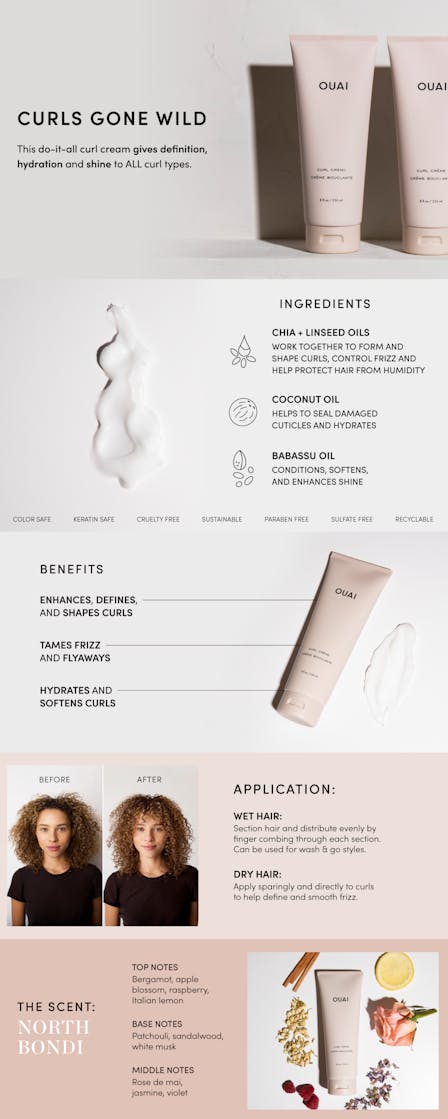
Today, creative is one of highest ROI lever performance marketers aren’t treating like infrastructure. When creative systems connect brand positioning with performance strategy, campaigns scale more effectively thanks to clearer positioning, which improves ROAS and conversion velocity.
Distinctive creative increases scroll-stopping power and view time, while consistent brand language reduces volatility across channels and campaigns.
AI and New Shopping Behaviors Raise the Stakes for Brand Clarity
AI-assisted shopping, conversational search, and marketplace personalization now control how consumers discover products, decide what to purchase, and declare their loyalty. In an AI-moderated buying journey, brand consistency is visibility.
Winning in this new era of AI-dominated search will include clear signal differentiation that algorithms can recognize and amplify. Maintaining narrative consistency across all channels gives your brand a leg-up, while brand education gives AI a clear story to follow either on AI overviews, or directly on the platforms.
How Leading Brands Are Investing in 2026
The smartest growth teams are rebalancing their mix, not only between brand or performance, but also between demand creation and demand capture. Think demand first: start with audience creation. Optimize for compounding return, rather than reactive spend. Short-term ROAS won’t yield the result your brand wants in the long run.
Finally, think about how to build brand infrastructure that performs everywhere. This includes Amazon (the main channel of conversion), to retail media, social media, D2C flagship stores, and retailers.
Front Row operates across the full connected commerce pipeline, from brand strategy and creative execution to performance optimization, helping your brand future-proof growth in a market no longer driven by clicks alone. We help brands build systems that increase conversion, improve efficiency, and create demand across every commerce channel that matters.
Let’s connect. Explore our Brand Strategy and Creative Content Services to see how we turn brand equity into performance growth.