
Most brands have convinced themselves that their direct-to-consumer website is the center of the operation. It owns the checkout, it carries the brand name it shows up first in search; easy enough to call it the flagship.
But here's the distinction worth making: a flagship isn't just a store you own. It's the place where your brand is fully experienced on your terms, without compression, without compromise, without the platform dictating what matters. And most D2C sites aren't built for that. They're built to convert.
Converting is important, but it's just not enough.
The Conversion Trap
High-growth brands tend to build websites the way you'd engineer a funnel: fast load times, clean navigation, frictionless checkout, everything tuned to reduce drop-off and maximize the odds that someone finishes the transaction they started. It works. It generates revenue. It also has a ceiling.
The thing a conversion-optimized site doesn't reliably generate is brand equity, or the accumulated perception that makes your brand worth choosing when something cheaper, faster, or more convenient is one click away. That's the thing that makes revenue sustainable.
The math here is instructive:loyal customers convert at 60–70%, compared to 5–20% for new prospects. That gap doesn't close through checkout optimization alone. It closes through investment in brands.

What Commerce Actually Looks Like Now
The modern shopper doesn't move in a straight line. A study of 46,000 retail shoppers found that 73% engage with multiple channels before buying, averaging six touchpoints in the process. That's up from two touchpoints fifteen years ago. They stand in-store and pull up a product page. They discover on social, compare on Amazon, and validate somewhere else entirely.
In that environment, fragmentation is a business problem. Nearly three-quarters of consumers research a brand online before visiting a physical store. Each of those visits is a moment of judgment. What they find shapes whether they trust you enough to buy, and whether they come back.
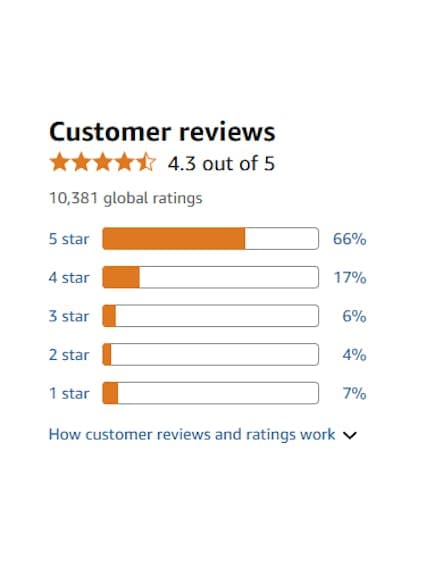
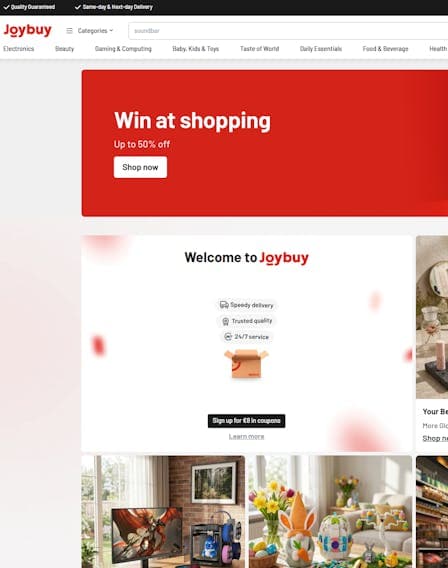
Marketplaces serve a role. Retail serves a role. Paid media serves a role. None of them are yours. Their templates dictate the presentation. Their algorithms control the visibility. Their rules shape what the brand can and can't say. On Amazon, you're three pixels away from a competitor.
Your D2C site is the only channel in that entire ecosystem where none of that applies.

The Only Channel You Actually Own
Every visual, every word, every structural decision on your website is yours to direct. That's not a small thing. It's the only commercial environment where the brand can be experienced in full where narrative, product, and design coexist without the platform imposing its own logic on top of them.
That's what makes it the natural center of gravity for everything else. The digital flagship is the source of truth from which every other channel should inherit. When that center is strong, every channel downstream (marketplaces, CRM, retail) knows what it's inheriting. How products are structured. How content speaks. What the brand sounds like at full volume, and what it sounds like when it has to whisper to fit the platform.
When it's weak, or optimized purely for transaction, that consistency never materializes. Channels drift. Each one develops its own logic. The brand starts feeling like a different thing depending on where someone encounters it, and that inconsistency erodes the trust that drives repeat purchase.
Why Most Sites Fall Short
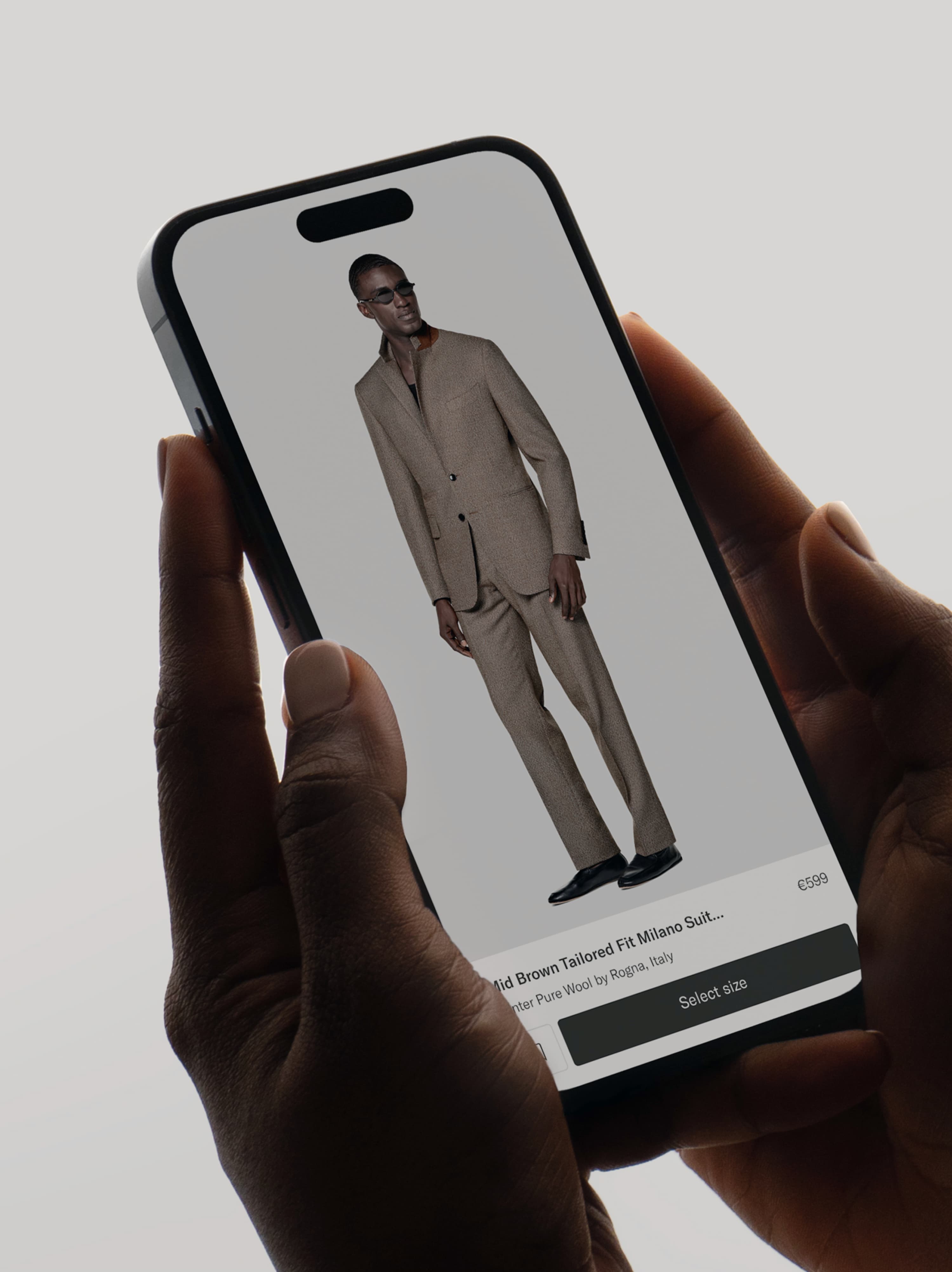
The usual culprit is familiarity. Brands reach for templated platforms and proven UX patterns because they're safe, fast, and well-documented. Product grids replace narrative. Storytelling gets pushed to an About page. The result is a site that functions smoothly and communicates almost nothing distinctive.
The brands that genuinely own their categories treat their D2C as the place where the brand actually lives, expressive enough to manufacture desire, yet structured enough to convert it. They invest in experiences where product and story aren't separate layers stacked on top of each other. They're the same thing, expressed differently depending on where you are in the journey.

The Design System Is the Point
The difference between a website and a flagship often comes down to whether there's a design system underneath it, or a governing architecture that defines not just how the brand looks, but how it behaves.
Most brands invest in defining the visual surface. Fewer invest in the system that makes that surface consistent across every channel it appears on. That's where fragmentation actually starts. It’s the absence of a shared structure that keeps Amazon storefronts, CRM emails, retail environments, and the D2C site speaking the same language.
A real design system bridges that gap by turning design decisions into organizational infrastructure, or something that scales. The design system is also where new team members can build within without reinventing the brand every time a new channel or campaign requires creative.
And Then There's AI
There's another reason the flagship matters more now than it did five years ago: AI systems are starting to interpret and recommend brands at scale. Search is becoming conversational and discovery is increasingly assisted. Transactions are influenced by agents acting on behalf of consumers.
AI doesn't experience a brand the way a person does. Rather, it reads structure and looks for consistency. Fragments from a marketplace listing, a different product description on the D2C site, a third interpretation in CRM: those inconsistencies confuse the systems that increasingly shape what those shoppers see and buy.
The digital flagship, built on a real design system with structured, consistent content, becomes the most reliable source of truth for how the brand gets represented by machines. That's a new competitive advantage and one that most brands haven't started building toward.
Build for More Than the Sale
Distribution is increasingly a commodity. Speed is a commodity. Price is almost always a race to the bottom. What isn't a commodity is being genuinely understood, remembered, and chosen for reasons that have nothing to do with whoever's offering free two-day shipping this week.
That kind of brand gets built in one place. It's the only channel you fully own, the one that defines the logic and expression every other channel should inherit, the one where customers encounter you on your own terms.
If your site is optimized for conversion but not for connection, it's doing half the job. The other half is where the real value compounds.
We partner with brands to design and build digital flagships that elevate perception while driving performance. Get in touch at frontrowgroup.com/contact/ to start the conversation.