U.S. TikTok Shop sales hit $15.8 billion in 2025, up 108% year over year, with projections indicating a whopping $23.4 billion sales figure by the end of 2026. Beauty and personal care alone accounts for roughly 22% of that volume, a tangible indicator that brands not capitalizing on this emerging marketplace are leaving growth on the table. The bigger number is the one most brands miss: affiliate creator content now drives 42% of total TikTok Shop GMV in the U.S., making it the single largest sales channel on the platform, ahead of both paid media and brand-owned organic.
Affiliate creators are producing the content at sale, and the brands with the highest success rate understand this as a core pillar of their TikTok Shop strategy.
Why affiliate carries the channel
TikTok is a fast, content-driven platform. From day 1, the app, and now the marketplace, were not built to reward an extremely polished feed. The shop specifically rewards not only fresh content, but fast fulfillment, competitive pricing, and constant creator activation to work. Affiliates solve the hardest part of that equation: content volume. A single brand team cannot produce enough native, algorithm-friendly videos to keep pace with how TikTok, and by extension TikTok Shop, actually converts. A network of creators most certainly can.
The economics back this up. Creations with 10,000 to 100,0000 followers convert roughly 4.2%, nearly double the 2.1% rate posted by accounts with over a million followers. Mid-tier creators consistently out-convert the more known influencers brands typically default to booking, because their audiences trust them the way they’d trust a friend’s product tip. The catch is the top 0.5% of active creators (roughly 4,000 accounts) still capture 38% of all affiliate GMV, so relying on a handful of big names is the fastest way to cap growth. The math favors a diversified bench of 30-plus mid-tier partners over a single marquee creator relationship.
Commission rates reflect how competitive this has gotten. The average US TikTok Shop affiliate rate now sits at 13.02%, trending upward as more brands compete for the same pool of proven sellers. Beauty and health categories support some of the highest rates on the platform, because margins allow for it and because those categories convert best on tutorial and demonstration content in the first place.
Running a successful affiliate program on TikTok Shop
Running an affiliate program at the level TikTok Shop demands means owning several moving parts at once: partner strategy, outreach and communication flows, vetting, brief curation, sampling logistics, and content moderation to protect brand image. Front Row runs all of it end to end for beauty, wellness, and CPG brands, including exclusive access to a network of more than 5,000 affiliate partners and monthly sampling programs that move 300 to 500 units at a time (Front Row).
The structure that scales looks like three concentric tiers (Front Row): Open plan (inbound, community-wide): any qualified TikTok Shop affiliate can join, typically gated by minimum GMV, follower count, and posting activity. Target plan (outbound, brand-safe): proven creators in beauty and personal care niches, vetted for content quality on top of the open plan qualifications. VIP program (creative curation, brand fit): a small, flat-fee cohort of loyalists and category-obsessed creators who build an elevated library of content built specifically for paid amplification.
The VIP layer matters more than it looks. It is where brands can A/B test messaging and creative angles before spending a dollar on media, then feed the winners directly into GMV Max campaigns once creative velocity is established.
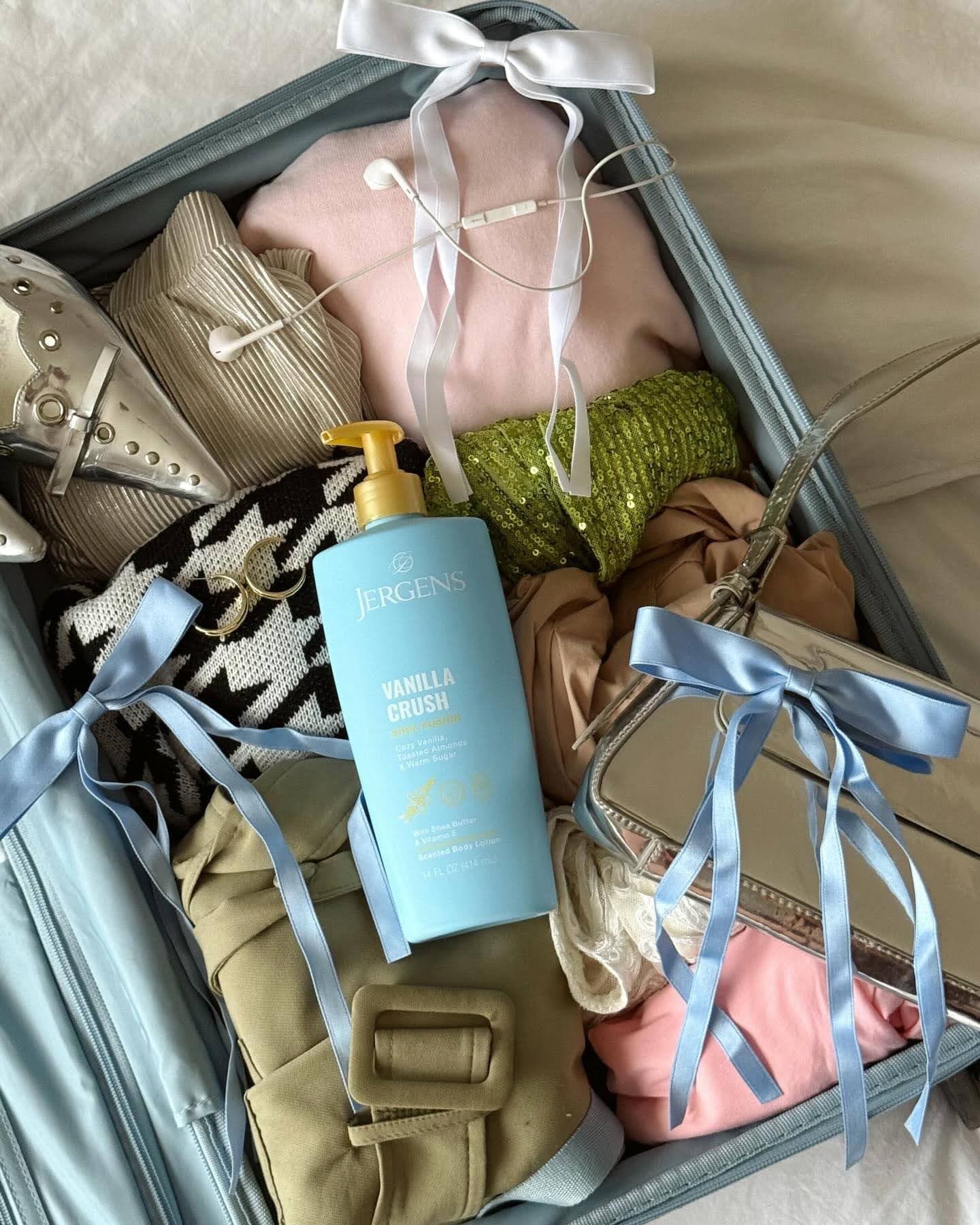
When Jergens launched Lotion Bursts as a TikTok Shop exclusive ahead of retail shelf placement, Front Row built the affiliate program around the launch window itself. The team sourced and sampled affiliates before the product went live, so content was posted the same day the product became purchasable, then scaled outreach and sampling quotas as inbound interest grew.
That content pipeline is what fed the paid side of the launch. Spark codes collected from affiliates who posted organically became the creative backbone of the GMV Max campaign, which layered on top to deliver 230% ROAS (Front Row, Jergens campaign results), a case study in what happens when affiliate and paid are built as one system instead of two separate lines on a media plan.
Thirty days post-launch, the affiliate program alone drove:
The takeaway for brands still deciding
TikTok Shop is not the right channel for every brand. It works best for beauty, supplements, food and beverage, household and pet, and fashion, categories built for impulse purchases under $100 with strong visual demonstration value. Front Row helps beauty, wellness, and CPG brands build the full TikTok Shop engine, from shop operations to affiliate marketing to paid amplification. Connect with our team to learn more.