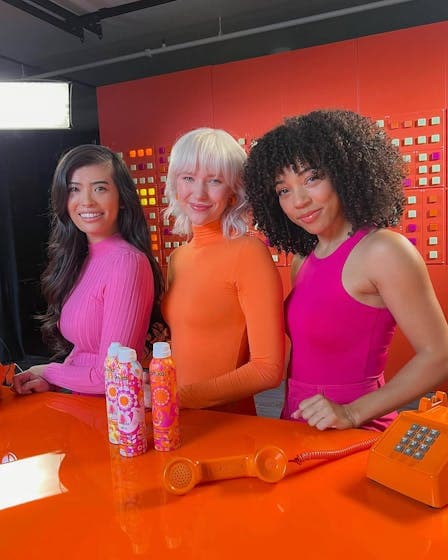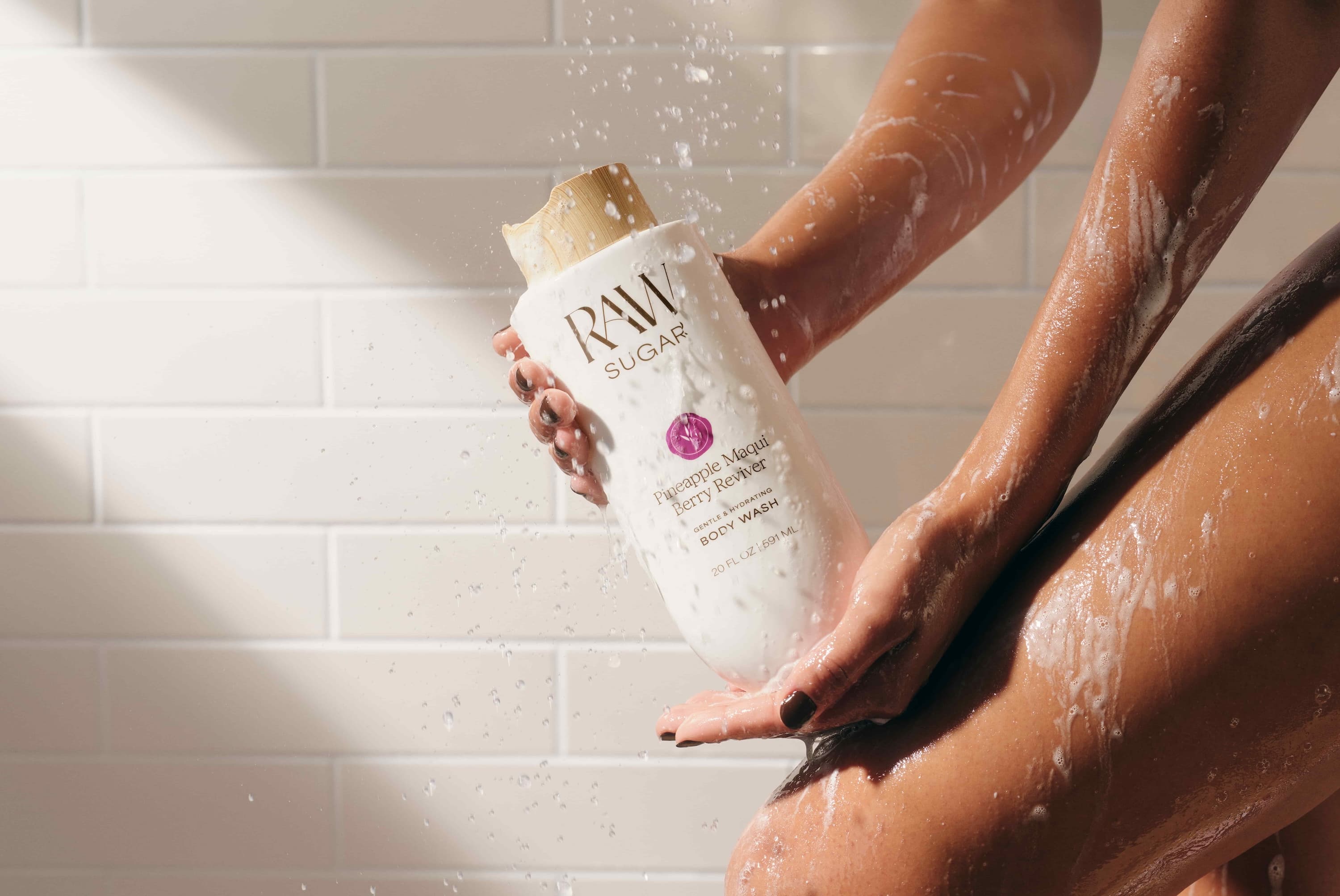
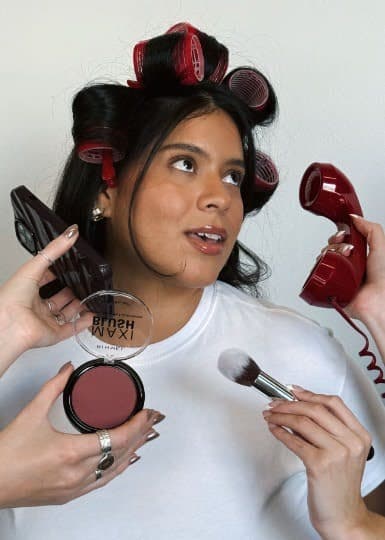
The best-looking ad in your feed is probably the one you scrolled past fastest. That is the quiet problem with polished brand creative. The lighting is perfect, the set is considered, the model has never once blinked at the wrong moment. Your thumb knows it is an ad before your brain finishes the thought. Meanwhile, a slightly shaky video of someone swatching a lip gloss in their car gets a full three seconds of your life.
Lo-fi and UGC-style content earns that attention because it feels native to the way people scroll. These content types are direct, human, fast, and built around a real product truth. The data is increasingly on its side.
What the research says
TikTok's own numbers are the loudest. According to the platform, creator-led content drives a 70% higher click-through rate and 159% higher engagement than non-creator ads at the same CPM. A System1 study with TikTok found that creator-led ads capture 39% more attention than traditional ads on the platform, and that creator ads generated 23% more brand memory lift than brand-produced short-form ads. Kantar data shows the same instinct at work in behavior: viewers skip influencer content after an average of 17.8 seconds, versus 7.9 seconds for traditional branded content.
Instagram tells a similar story. Meta reports that partnership ads, which run creator content through paid media, deliver 19% lower CPAs and 13% higher click-through rates than standard brand ads on average.
A fair caveat: most public data groups creator, UGC, and lo-fi content together, and polished creative still has a job on other channels and in other moments. But in the feed, on TikTok and Reels, the pattern is consistent. Native beats nice.
Lo-fi still takes strategy
Here is where brands go wrong. They hear "lo-fi" and assume it means "no strategy." The same System1 research found that only 61% of creator ads included a recognizable brand cue within the first two seconds. Earning attention is half the job. If nobody remembers whose lip gloss it was, you have made a charming video for someone else's benefit.
Lo-fi that works is intentional. The raw feel is a choice, and the product, the hook, and the brand cues are all placed deliberately inside it.
How to build it into your content mix
Lo-fi and UGC are not the same thing, and the strongest programs use both.
- Lo-fi production: made in-house on an iPhone, minimally edited, and built to mimic organic creator content. It is faster, more consistent, and easier to control for brand safety. Use it for volume and consistency.
- UGC and creator content: sourced from real consumers and micro-creators outside the brand. It carries third-party credibility that in-house content cannot fully replicate, and it lets you cover the range of skin tones, hair types, and use cases your category demands. Use it for authenticity and diversity. Our UGC and lo-fi capability page breaks down how we source and manage both.
- A remix layer: a campaign shoot holds more than a hero video and a few statics. Re-cutting existing footage into 9:16, 1:1, and new hooks gives you fresh creative without a fresh production cycle. See Content Remixing & Asset Optimization for more information.
Feed all of it into paid testing. Creative fatigue is relentless on TikTok and Reels, so the brands that win are the ones with a steady supply of new hooks, faces, and formats, and a system for learning which ones work.
The takeaway
Polished creative is not dead. It is just no longer the automatic winner where people actually scroll. Brands that treat lo-fi and UGC as a strategic choice, with a pipeline behind it, are the ones keeping up with the feed.
Want to see how we build it? Fill out the form below to get in contact with our team today.