
Prime Day 2026 Planning Starts Now: What Brands Should Be Doing in April
Prime Day Is Won Months Before It Starts
Most brands treat Prime Day like a pop-up event: scramble in late June, activate deals, hope the numbers hold. But the brands that consistently outperform are actually more prepared in April.
Prime Day is an outcome you build toward. Amazon's promotional calendar has evolved into a reliable but increasingly complex cycle of tentpole events, and brands that react to last-minute announcements often end up with stockouts during critical windows or wasted ad spend on inefficient campaigns.
The decisions you make right now, across inventory, content, and media, will determine how your brand performs when the event goes live. Here's where to focus.
1. Lock In Inventory and Operational Readiness
The most avoidable Prime Day failure is also the most common: running out of stock mid-event.
Going out of stock doesn't just mean lost sales. Amazon's algorithm treats out-of-stock products as unpopular and drops their organic ranking accordingly, and recovering that rank requires time and usually additional ad spend. That's not a hole you want to dig during your highest-traffic window of the year.
April is the right time to pull last year's performance data, layer in category growth trends, and build a demand forecast with real headroom. The goal isn't to nail a single number, rather avoid the worst-case scenario. Setting automated reorder points at 30 days of supply (not when you're running low) is a practical baseline for primary ASINs.
You can't win Prime Day if you can't stay in stock.
2. Align Promotions With Strategy, Not Just Discounts
There's a reflex in ecommerce to treat Prime Day as a discounting exercise. That's the wrong frame.
Prime Day data shows that you don't always need a steep discount for sales to spike. Products with strong ratings and review counts see significant volume increases even without promotional pricing. The question isn't how deep to go, rather which ASINs should be pushed and why.
That means deciding which products are hero items built for velocity and rank gains, and which are margin drivers where a modest deal protects profitability. It means knowing what discount threshold actually drives incremental lift for your category, not just what sounds competitive. Volume spikes that erode margin and collapse into post-event rank corrections aren't wins.
3. Optimize PDPs Before Traffic Scales
Traffic doesn't fix a weak listing. It exposes one.
Prime Day amplifies whatever conversion rate you have going into the event. If your hero image isn't stopping the scroll, if your A+ content isn't doing the persuasion work, if your copy isn't indexed against high-intent search terms, that traffic is going somewhere else.
Now is the right time to test new hero images, audit A+ modules, and align your copy with the keywords buyers are actually using. The average conversion rate on Amazon ranges from 10% to 15% for well-optimized listings with strong reviews. A meaningful gap separates brands that have done the work from those who haven't. When listings are optimized before scaling ad spend, the result is consistently 30–40% improvement in advertising efficiency.
That efficiency gap only widens when Prime Day traffic hits.
4. Build Rank and Momentum Early
Your Prime Day organic performance is largely determined before the event starts.
Research into Amazon's algorithm shows that a product's historical sales patterns, combined with user engagement metrics like click-through rate and add-to-cart events, significantly correlate with higher organic rankings, with purchases having the strongest impact. That history doesn't materialize overnight.
The more a product sells in the months leading up to an event, the higher it ranks. A strong sales history signals to Amazon that your product is in demand, leading to further organic visibility. Brands that invest in media now — building consistent conversion through April, May, and June — arrive at Prime Day with ranking momentum already in motion.
Prime Day is also a springboard: strong event performance generates a halo effect on sales rank and ad quality scores that pays dividends well into Q4. But that flywheel only starts if you have something to build from.
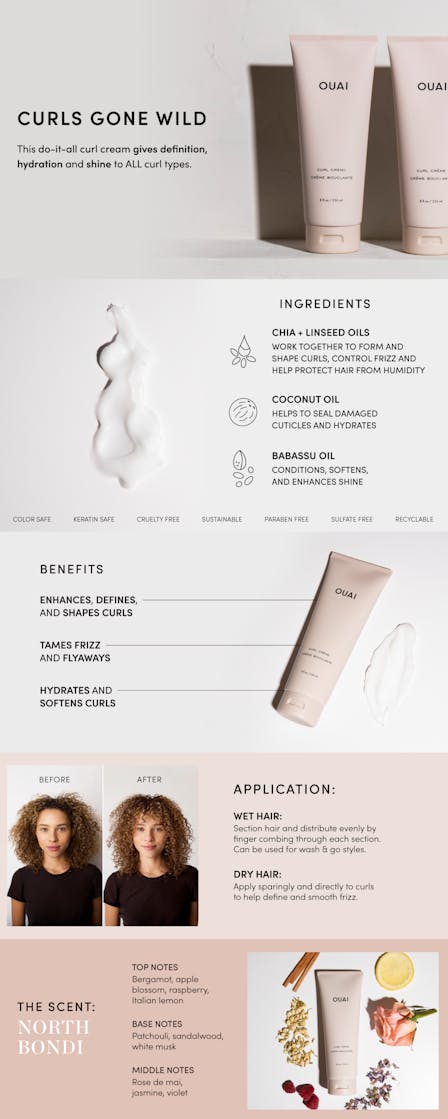
While Prime Day 2025 was a challenging growth lever for many brands due to pressing socioeconomic conditions, Front Row’s strategic guidance and execution turned a soft-demand event into a visibility engine, strengthening OUAI’s organic rankings, improving search relevancy across top category terms, and securing the SEO foundation that would fuel its holiday runway.
Instead of chasing short-term lift, OUAI used Prime Day to build durable discoverability and category presence, setting the stage for its strongest quarter on Amazon to date.
5. Plan Media for Efficiency, Not Just Scale
If your media strategy starts in late June, you're already behind. And you're going to overpay.
CPCs can spike by as much as 30% during events like Prime Day, with beauty and supplements among the hardest-hit categories. During peak periods, CPCs in high-competition categories like supplements and beauty can rise an additional 30–50%. Brands that wait to activate spend during the event are bidding against everyone at the worst possible moment.
The smarter approach is to use April, May, and June to build the data foundation: identify high-converting keywords, find efficient audience segments, and run campaigns at scale before CPCs inflate.
6. Use Data to Guide Decisions — Not Guesswork
Most brands enter Prime Day with fragmented visibility. Media performance lives in one dashboard. Retail metrics live in another. Content decisions happen in a separate conversation entirely. That disconnect costs real performance.
The brands that are best positioned going into Prime Day are the ones connecting signals across media, content, and retail performance, and acting on them daily, not just during the event. That's the core use case for Catapult: identifying what's driving rank, conversion, and efficiency before traffic scales, and surfacing the actions that move the needle across teams.
Prime Day success is built on early, connected decision-making. The data exists. The question is whether you're using it.

April Is the Advantage Window
The brands that win Prime Day aren't the ones reacting in July. They're the ones who arrived at the event operationally ready, conversion-optimized, and already building rank momentum, because they started three months earlier.
Prime Day 2024 generated $14.2 billion in sales — 11% higher than the year before. That number will grow again this year. The brands with the clearest shot at it are the ones treating April like the starting line it is.
Prime Day starts now.