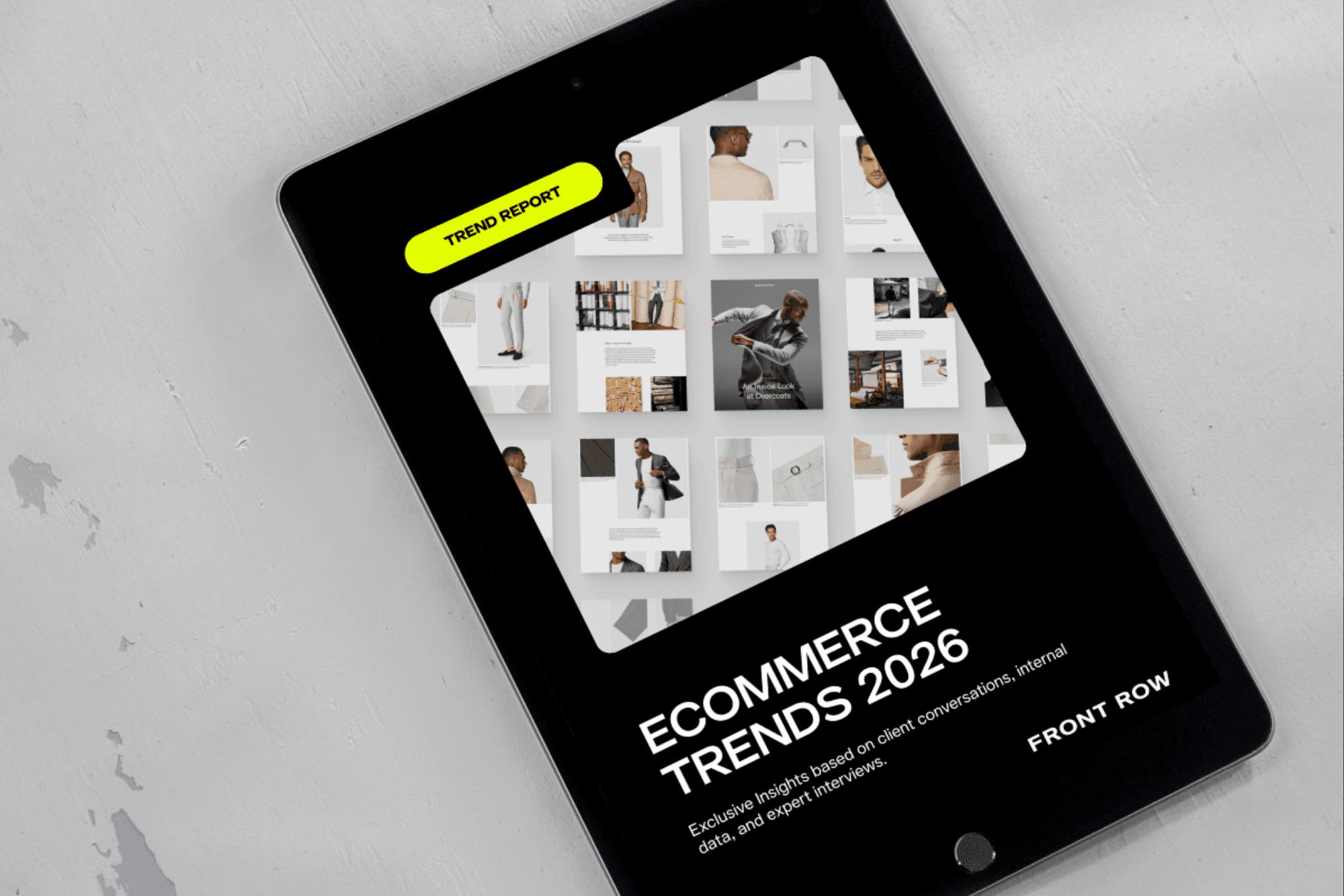
Category by category, the data reveals which consumer behaviors are accelerating, which brands are built to win tentpole moments, and what the results tell us about the rest of 2026.
A $1.5B Moment Worth Studying
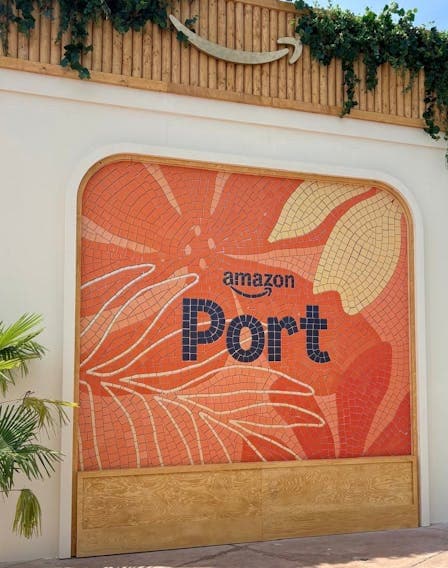
Amazon’s 2026 Big Spring Sale may not have delivered headline-grabbing total growth, but it delivered something more valuable: clarity.
In Beauty alone, the event generated $1.5 billion in sales, up 20% from $1.3 billion in 2025. At the total Amazon US level, growth was more modest, rising approximately 3% year-over-year. Yet that top-line number doesn’t tell the full story.
What’s clear is that the Big Spring Sale has firmly established itself as a tentpole moment. During the seven-day event window, average sales ran 94% higher than the prior 30-day weekly baseline. Consumers are showing up with intent, and increasingly, they’re ready to convert.
But the real signal isn’t in aggregate performance. We believe it’s in how different categories behaved. The divergence between them reveals where consumer demand is accelerating, where competition is shifting, and which brands are best positioned to capitalize on these high-intent moments.
Learning #1: Skincare Is the Anchor Category
If one category defined the event, it was skincare.
Total skincare sales reached $544 million, up 26% year-over-year from $432 million, making it both the largest and fastest-growing beauty subcategory during the sale. More importantly, skincare continues to behave as a daily essential rather than a discretionary purchase, giving it outsized importance during promotional windows.
Within that growth, Medicube emerged as the standout. The brand generated $24 million in skincare sales alone, up 140% year-over-year, and captured 4% market share during the event. This level of acceleration points to something larger than a single brand moment. It reflects the continued rise of K-beauty as a structural force within Amazon’s ecosystem.
Consumer preferences within skincare are also becoming more defined. Products tied to SPF, skin barrier repair, and “no white cast” formulations saw sustained demand. Notably, EltaMD UV Clear SPF 46 ranked among the top products in both skincare and overall beauty, reinforcing that sunscreen is no longer seasonal. It’s a daily-use staple with year-round relevance.
The takeaway isn’t just that skincare is growing. It’s that it has become the anchor category, one that drives both volume and consistency across tentpole events.
Learning #2: Hair Care Growth Is Coming From Challengers
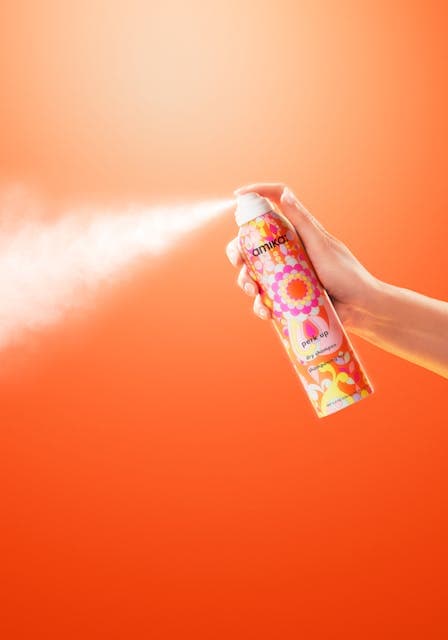
Hair care delivered strong performance as well, generating $442 million in sales, up 16% year-over-year. But unlike skincare, the story here is less about category expansion and more about competitive reshuffling.
Nutrafol retained the top position with $19 million in sales, but remained essentially flat year-over-year (-1%). It’s a clear example of a brand maintaining dominance without accelerating growth.
The momentum is coming from a different cohort. Brands like Redken (+50%), Kitsch (+65%), and Tymo (+74%) saw significant gains, driven in large part by their ability to build audiences within—and beyond—the Amazon ecosystem. These brands are not just competing on product; they’re competing on visibility, content, and community.
At the product level, the Dyson Airwrap’s appearance in the top five reinforces another important point: high-AOV items can still perform during promotional events when the value proposition is clear. Consumers are willing to invest, even in premium tools, when pricing, timing, and demand align.
Hair care, in this sense, is becoming a proving ground for challenger brands, especially those that understand how to translate brand equity into marketplace performance.
Learning #3: Pest Control Was the Biggest Surprise
Not every signal came from where we were expecting.
Pest control emerged as the fastest-growing category tracked, increasing 36% year-over-year to reach $67 million in sales. While smaller in absolute terms than beauty or personal care, its growth rate makes it one of the most instructive categories from the event.
The driver here is timing. The Big Spring Sale aligns almost perfectly with seasonal consumer intent—spring cleaning, outdoor preparation, and household resets. Shoppers aren’t discovering these needs during the event, rather they’re arriving with them.
Elanco’s Elector PSP led product sales at $2.2 million, notable not just for its performance but for its positioning. As a professional-grade solution, its success points to a growing willingness among consumers to purchase higher-efficacy products traditionally reserved for specialized use.
The broader lesson is straightforward: categories that align tightly with seasonal intent don’t just benefit from tentpole events, they can dominate them. When timing and demand intersect, conversion becomes significantly more efficient.

Learning #4: Not All Categories Are Event-Driven
While some categories surged, others remained steady.
Vitamins, minerals, and supplements (VMS) generated $820 million in sales, up 6% year-over-year, while sexual wellness grew 3% to $34 million. Fragrance followed a similar pattern, increasing 10%, with Lattafa maintaining the top brand position at $4 million despite its value-oriented positioning.
These are healthy numbers, but ultimately, these categories are driven by replenishment and routine rather than discovery or event-driven urgency. Consumers are buying because they need to restock, not because a promotional moment has changed their behavior.
For brands operating in these spaces, tentpole events play a supporting role rather than a leading one. Performance is less about capturing a spike and more about maintaining consistency through:
- Strong organic ranking
- Subscribe & Save adoption
- Reliable, always-on visibility
From our analysis in these categories, the event happens, but it doesn’t necessarily create demand.

Learning #5: Medicube is the Case Study of the Moment
Across every lens—brand rankings, product performance, category share—one name appeared repeatedly: Medicube.
The brand grew 145% year-over-year in total beauty, 140% in skincare, and placed two products in the top five overall. That level of consistency across metrics is rare, and it highlights a broader shift in how winning brands approach Amazon.
Medicube built demand across TikTok, Meta, and paid media channels, creating familiarity and intent before the customer ever reached the marketplace. Amazon then became the conversion layer where that demand was captured efficiently.
This dynamic is becoming increasingly important. Amazon’s ecosystem rewards clarity of demand. Brands that arrive at a tentpole moment already known to the consumer convert at a fundamentally different rate than those relying on the event itself to generate awareness.
In that sense, Medicube is the top performer and the blueprint.

What This Means Going Into Prime Day
The Big Spring Sale has become one of the clearest leading indicators of what’s to come during Prime Day.
The brands that performed well in this window—particularly those with strong organic rank, clear seasonal relevance, and established cross-channel demand—are already positioned for success this summer. They’ve built the sales velocity, review density, and algorithmic momentum that Prime Day amplifies.
Conversely, brands that underperformed or failed to gain traction are behind on the signals that determine future visibility. Timing is the key takeaway here. Prime Day success isn’t built in the weeks before. It’s built in the months leading up to it, through deliberate investment in both demand generation and marketplace fundamentals.
The window to influence that outcome is open, but it’s narrowing. The Big Spring Sale offered a big picture, giving us a stunning snapshot of performance and a ready-to-replicate roadmap for the rest of 2026.
At Front Row Group, we analyze these moments through Perpetua Prism to understand not just what happened, but what it signals. The goal is to arrive at them with the right foundation already in place.
Become one of those brands with our partnership. Visit frontrowgroup.com/contact to learn more and get started now.
Insights drawn from Front Row Group data via Perpetua Prism, analyzing performance from March 22 through April 4, 2026.
Additional Sources
Amazon's Big Spring Sale Grew 3% YoY Even as Discounts Softened (PMG, April 2026)
Amazon Q1 2026: Top 25 Beauty and Personal Care Products (BeautyMatter, April 2026)
Amazon Big Spring Sale 2026: Beauty Deals Worth Shopping (New Beauty, March 2026)
Live Updates: Last Day of Amazon's Big Spring Sale 2026 (NerdWallet, April 2026)