

Where beauty once followed a linear purchase funnel, it is now driven by consumer migration. A shopper scrolling through content encounters a fifteen-second lip stain demo, reaches a point of purchase intent, and immediately switches to a different app to complete the step. This swift, subtle cross-platform transition represents a defining shift in modern beauty commerce, yet many brands continue to evaluate performance using outdated frameworks.
TikTok Shop and Amazon aren't competing for the same purchase. Rather, they fulfill different roles in the beauty purchase journey: Amazon dominates replenishment, while TikTok Shop accelerates discovery, as NIQ's Anna Mayo put it at BeautyMatter's State of Play this year. TikTok is where beauty gets found. Amazon is where it gets confirmed, restocked, and folded into a routine. Neither platform is trying to become the other.
The scale of that space is growing fast. TikTok Shop's category dollar sales in beauty jumped nearly 108% year over year in the 52 weeks ending December 2025, while unit sales rose over 45%. Amazon's growth, by comparison, sat closer to 24% on both counts. TikTok is still the smaller player in absolute terms, but the gap is closing at a pace Amazon hasn't had to contend with before.
What makes this interesting isn't the growth curve on either platform. It's the current running between them. Front Row's own SVP of Digital Growth, Katelyn Winker, has a name for this that gets asked about constantly on client calls: the halo effect. In a recent BeautyMatter webinar, she made a case for treating it as real but stubbornly hard to prove. Cross-channel attribution isn't a solved problem. There's no dashboard that cleanly connects a TikTok view to an Amazon add-to-cart three days later. But the signal is there if you know where to look: branded Amazon search volume climbing after a brand goes live on Shop, D2C signups ticking up from an audience that first found the product through an affiliate they'd never followed before. Winker's read is that halo isn't necessarily a bonus metric. Think of it as a warmer-lead problem in disguise, and brands that only measure in-platform revenue are missing the part of the story that matters most in the first six to twelve months.
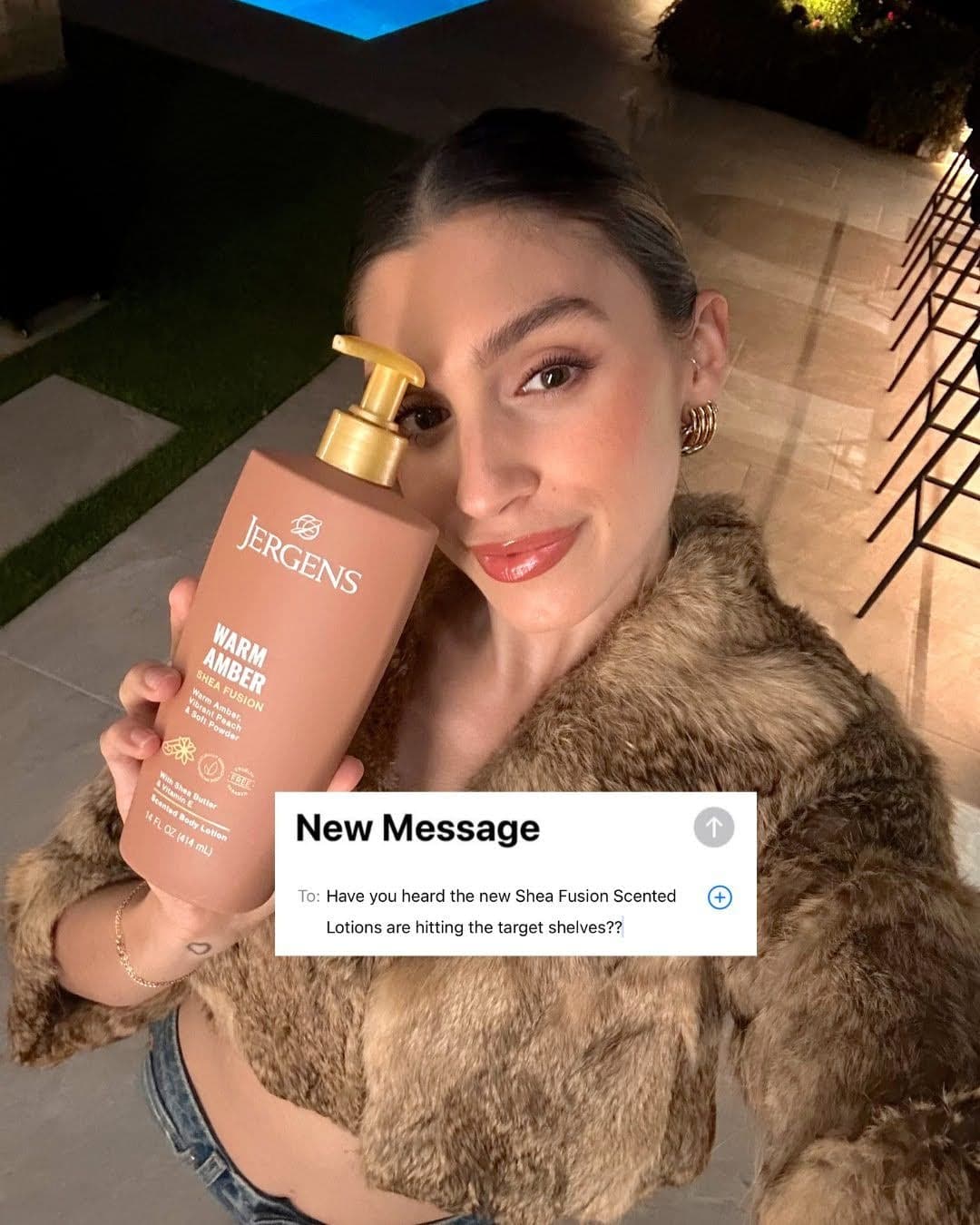
TikTok Shop and Amazon aren't competing for the same purchase. Rather, they fulfill different roles in the beauty purchase journey

The distinction between brands experiencing this lift and those missing out lies in their ability to activate an integrated growth engine. A halo effect cannot be generated by isolated tactics; it relies on the synchronized execution of affiliate content, paid media, merchandising, and sampling. When these levers operate in unison, they capture and amplify the momentum generated by the platform.
None of this means TikTok Shop and Amazon should be run by the same team using the same playbook. It means they need to be run by teams that talk to each other, using a shared view of the customer. Content strategy, creator relationships, listing optimization, retail media, inventory planning, and measurement all have to move as one system, because the customer isn't waiting for the org chart to catch up. She's already three platforms deep in her research by the time a brand notices she exists.
Modern beauty buying is no longer tied to a single platform. Growth thrives in the spaces between channels, an area where traditional measurement tools often fall short.
If you’re interested in how Front Row measures the halo effect across our partnered brands, fill the form below!