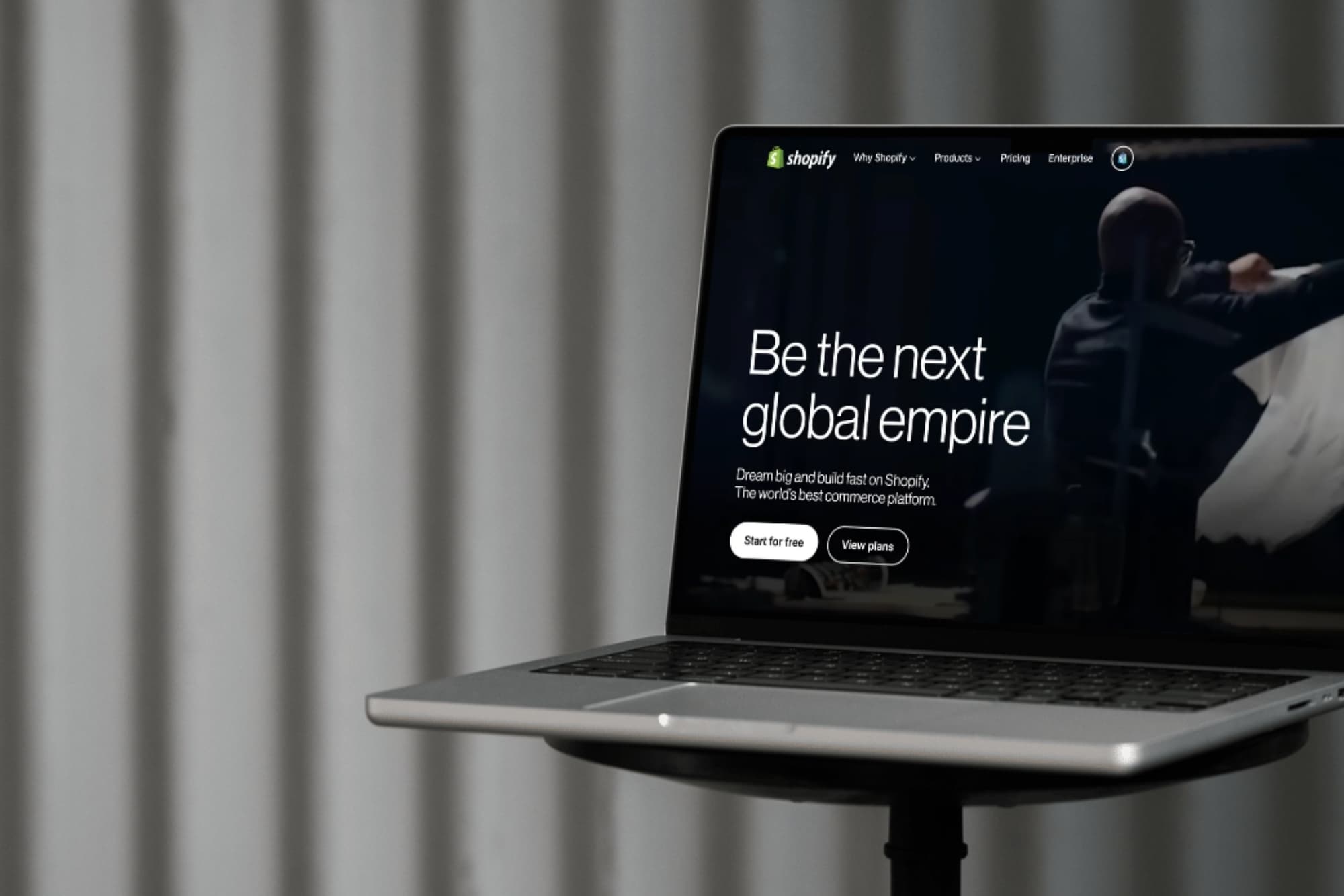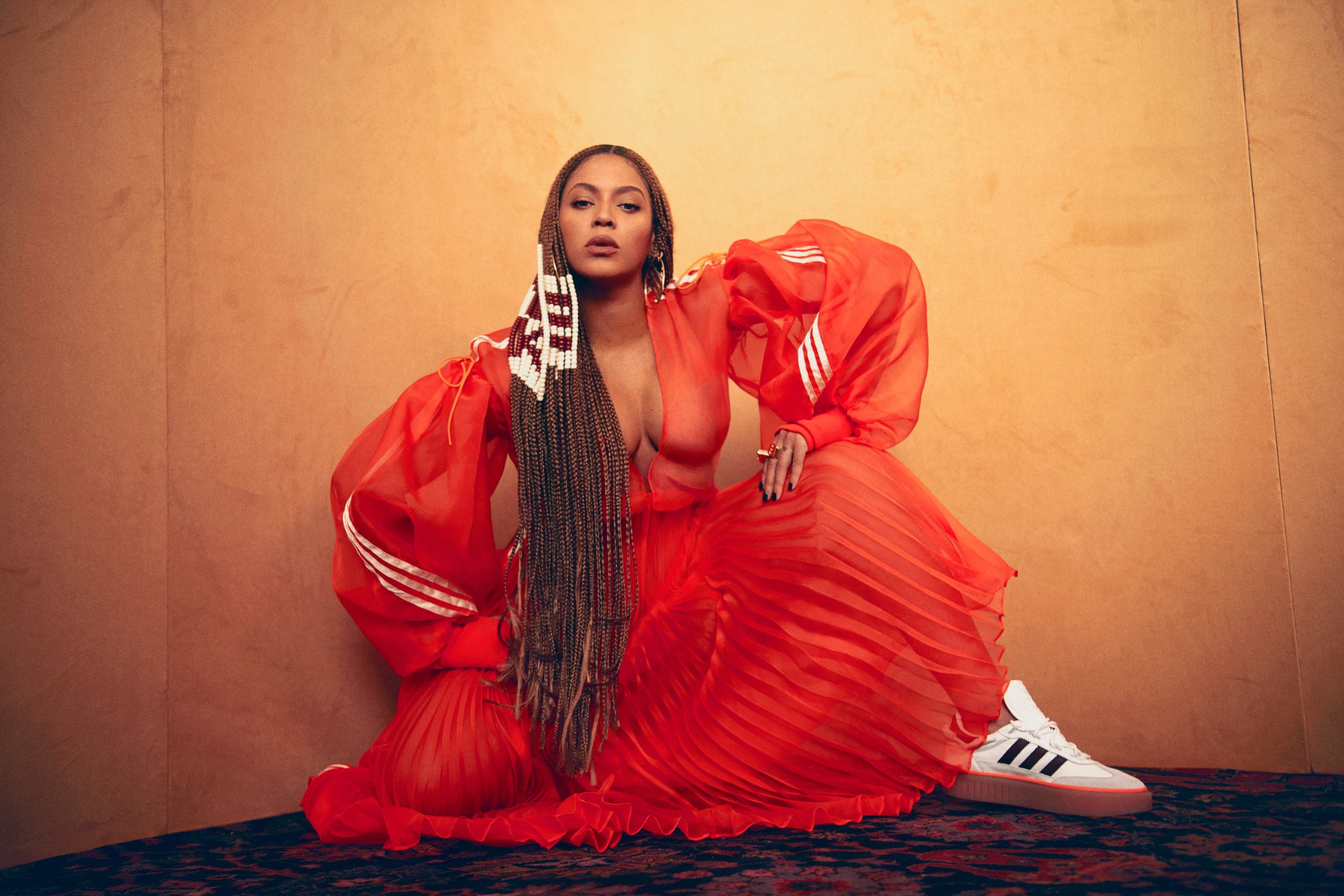
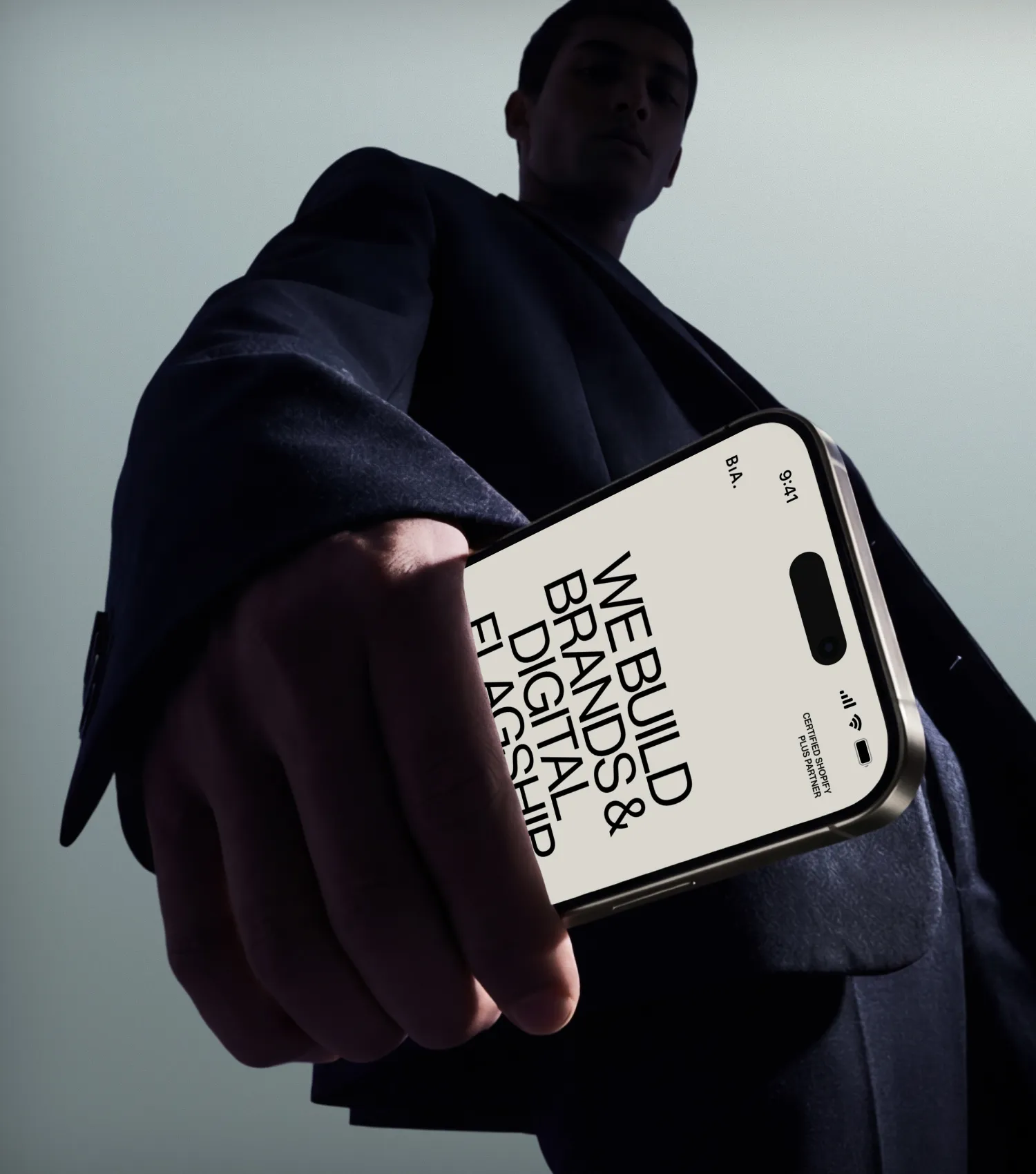
Your brand doesn't own TikTok. It doesn't own Amazon. It doesn't own the retail shelf, the ad platforms, or the algorithms deciding what a shopper sees next. There's exactly one channel a brand fully controls, top to bottom: its own digital flagship. In a commerce landscape that keeps fragmenting, that single owned channel is becoming the most valuable asset a brand has.
Commerce got complicated. Ownership didn't keep up.
The way people shop has changed faster than most brands have been able to organize around it. A new generation of digitally native, highly informed shoppers now researches everything before they buy. Up to 74% check a brand online before ever visiting a store, and 68% pull up a retailer's website while they're standing in it. The average shopper now touches close to six different points of contact before purchasing, up from just two, fifteen years ago.
Every one of those channels plays a role. Marketplaces are built for speed and conversion. Retail has gone digital. AI systems want structured, consistent information to work from. But none of them are built for brand ownership and when the experience shifts depending on where someone encounters it, trust erodes and revenue follows it out the door.
There's only one place a brand can fully control its story, its data, and its experience without compromise: the digital flagship.
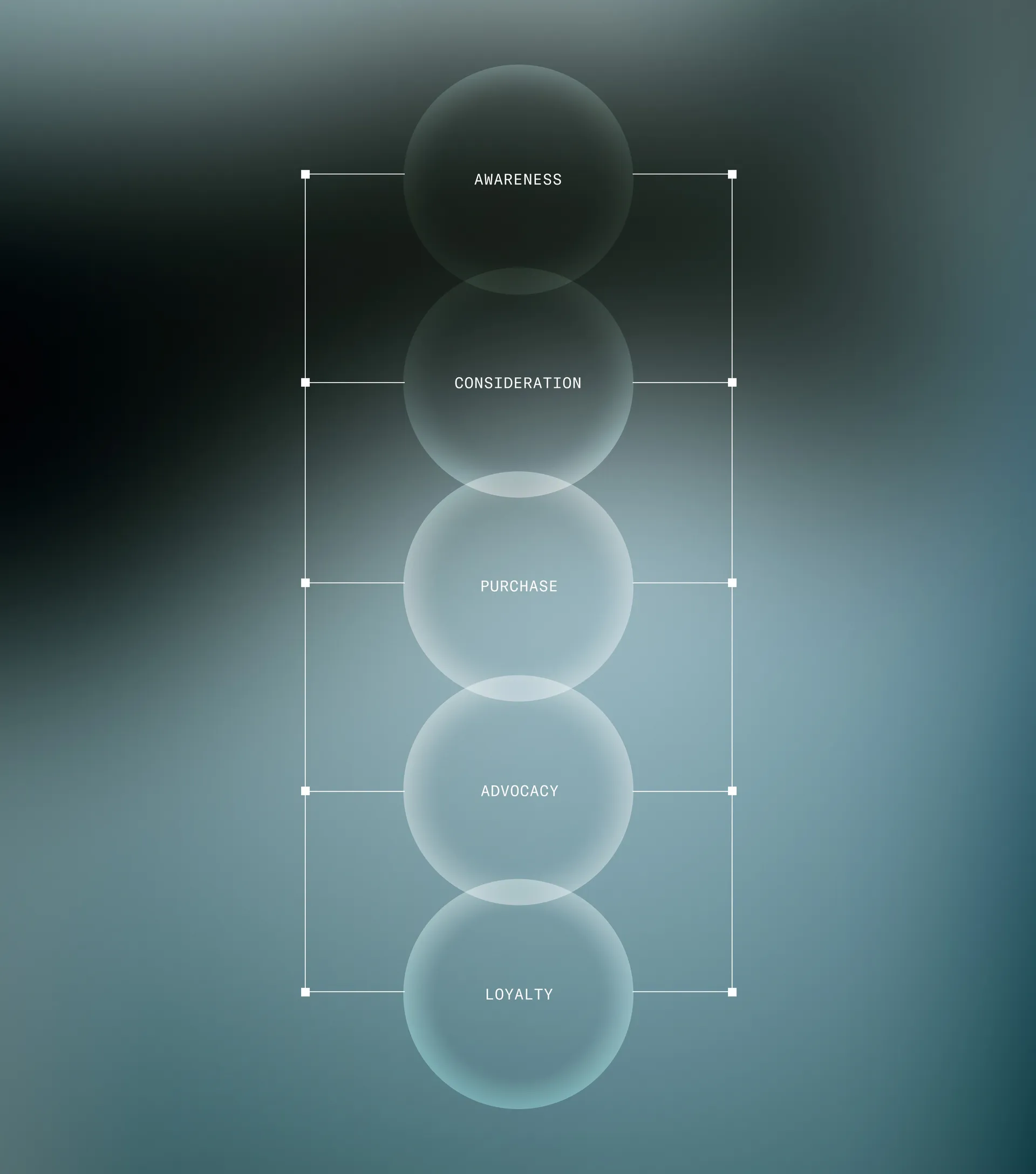
More than a website: A brand operating system
It helps to think of the flagship not as a single touchpoint but as a Brand OS; the architecture behind every piece of UX, content and storytelling a brand puts out. It's where emotion and logic finally have to work together in the same space. Marketplaces optimize for logic. Campaigns optimize for emotion. The flagship is the only environment built to hold both at once. It’s telling a story and converting it into a sale.
That balance is what separates a flagship from a plain storefront. A storefront moves product. A flagship builds a brand while it moves product.
Without a governing structure behind it, every channel becomes its own island. The brand starts to feel like a different company depending on where you meet it, Amazon gets managed in isolation, CRM develops its own visual habits and retail drifts in its own direction. The fix is a single source of truth that every channel inherits from.
We call this the Rule of Three:
- Same Look: One unified design system, visually consistent everywhere.
- Same Voice: One clear narrative, no matter the platform.
- Same Memory: A data infrastructure where every interaction builds on the last, instead of starting from zero.
The design system is the heart of it all
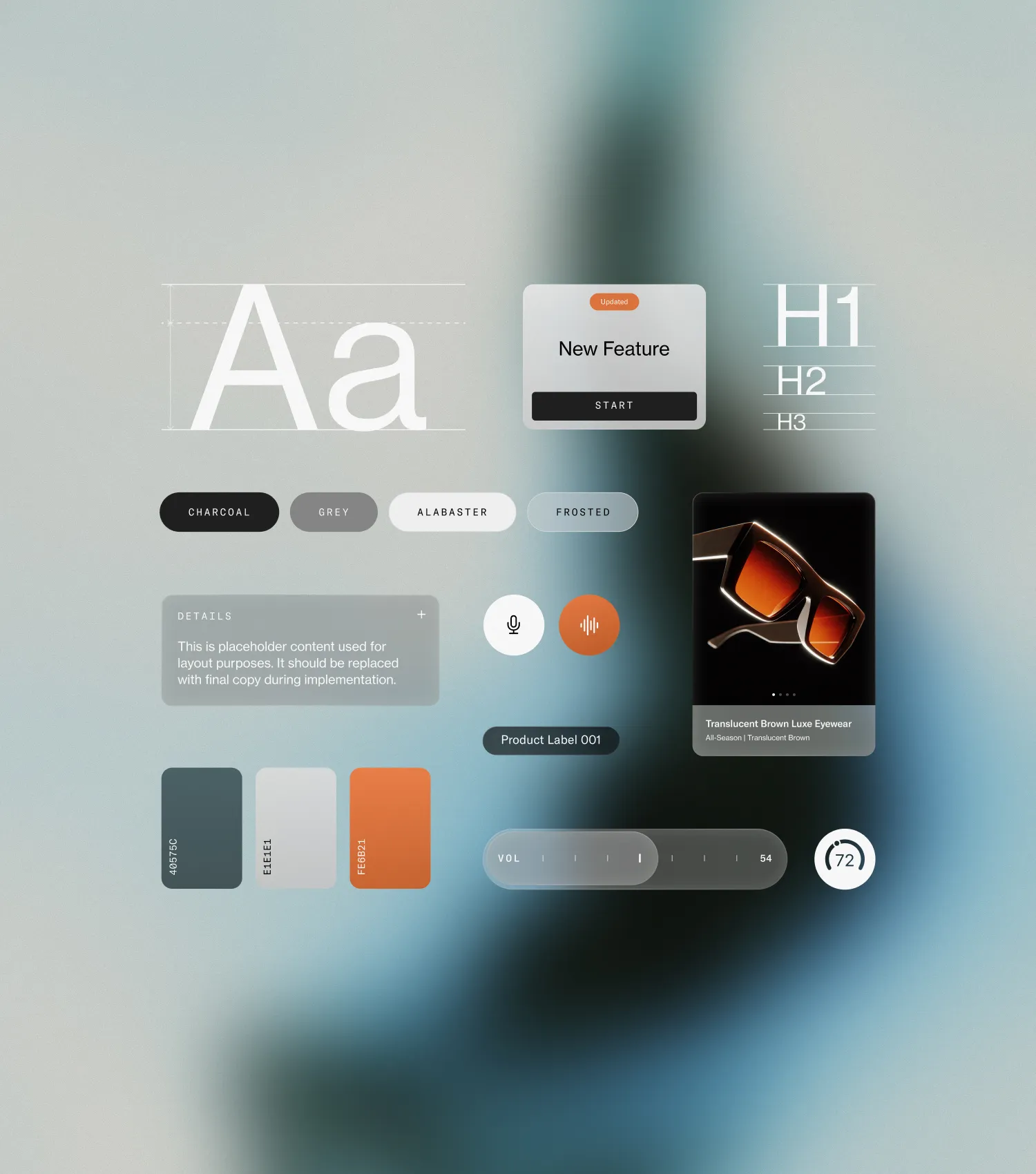
If the flagship is the Brand OS, the design system is what actually runs it. Not a moodboard. Not a guidelines PDF nobody reads after month one. A working rulebook with language, typography, color, hierarchy, iconography and motion built in, structured as modular components a brand can reuse anywhere it sells. Think D2C, Amazon, in store, wherever the transaction happens.
Most brands invest heavily in defining how they look. Very few invest in defining how they operate. That's the gap a design system closes and it's what turns a flagship from a one-off build into real infrastructure. Something that scales, holds together and keeps functioning long after launch day.
This shows up across the whole organization, not just in the design team. Marketing stops reinventing assets from scratch. Ecommerce builds new experiences without starting over. Developers work against something documented and structured. Even people with zero design background can make on-brand decisions, because the system makes the right choice, the obvious one. That consistency isn't just a brand benefit, it's an operational one, cutting down redundant creative work and the cost that comes with it.
It's also what makes a brand legible to machines. As AI increasingly interprets, recommends, and represents brands across search and shopping agents, structured and repeatable patterns matter in a completely new way. Clear systems produce reliable outputs, for humans and algorithms alike.
Four stages, three paths
Building a flagship isn't a single leap, it happens in four stages: Foundation (research and direction), Idea (concept and functionality), Expression (the visual and interface language that makes a brand unmistakable) and Delivery (execution, launch and the ongoing refinement that follows).
How a brand gets there depends on what it values most, speed, flexibility, or full control:
- Ready-to-Wear (Shopify theme)Fast, stable, proven, but customization has limits.
- Tailored (headless + component library):The sweet spot for most brands, balancing speed, flexibility and performance.
- Made-to-Measure (custom headless):Total control, built from the ground up. The right call when the flagship is central to the business and differentiation matters most.
None of these choices is really about technology. They're about how much control a brand needs and how important speed is relative to long-term scalability.
Proof in practice
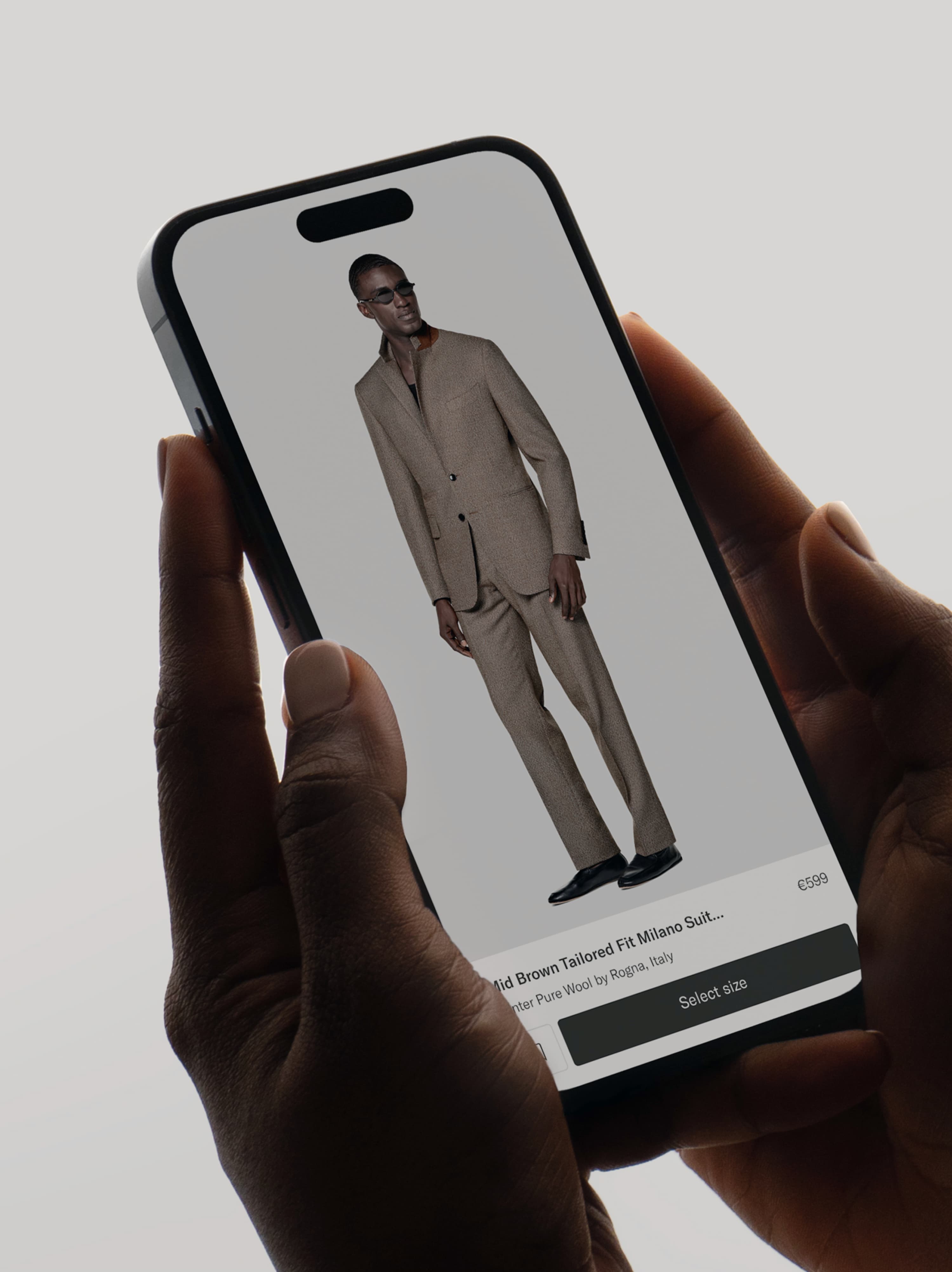
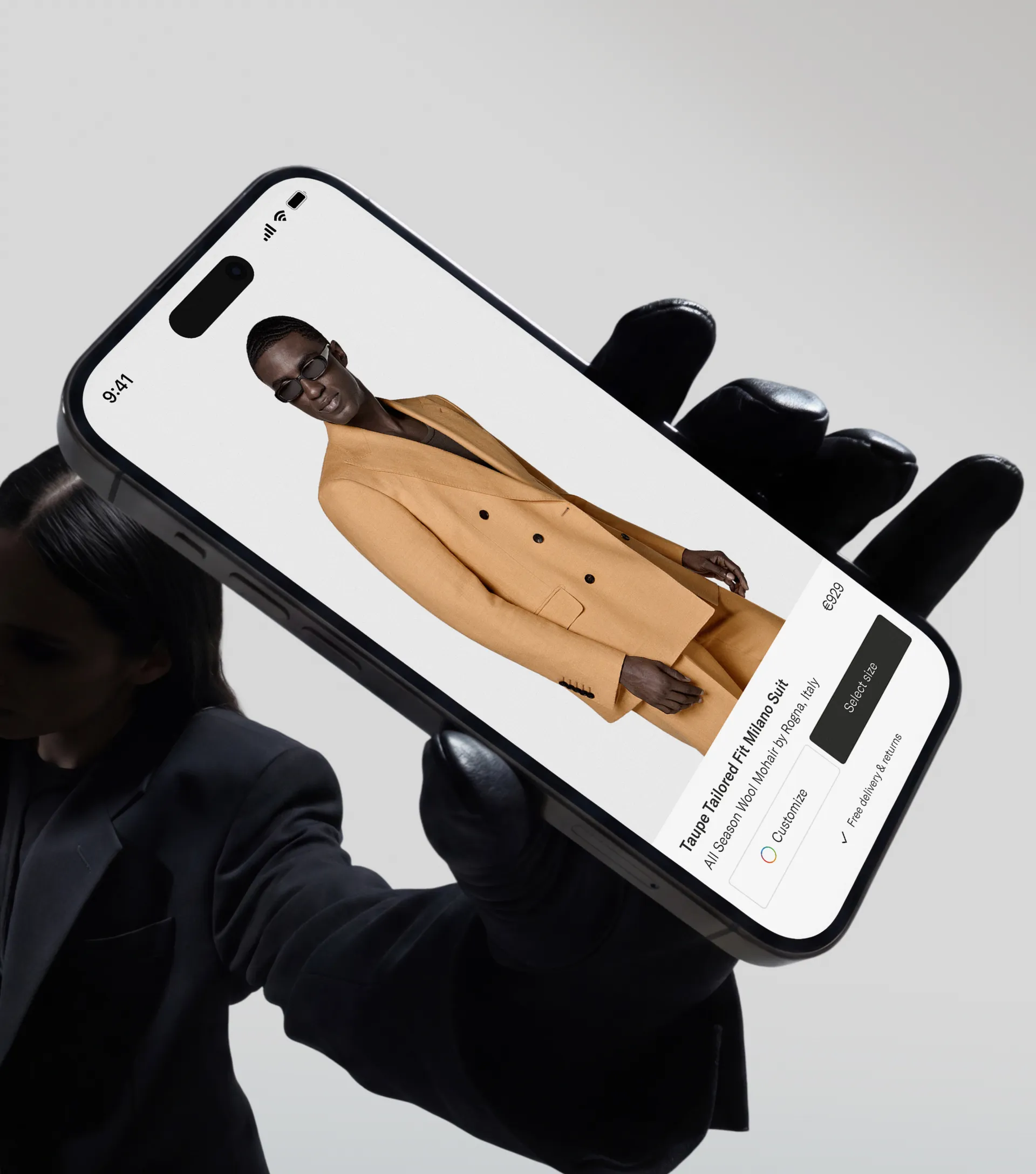
Suitsupply built its reputation on the in-store experience that’s personal, guided and human. Rather than trying to recreate that store online, the flagship brought in digital profiles of real in-store advisors, letting customers explore and book appointments directly. The flagship didn't replace the store, it extended it.
Polaroid faced a different challenge: a legacy brand woven into decades of cultural memory, needing to feel current without losing what made it iconic. Instead of a redesign, the work systematized the brand, giving its visual language, tone and storytelling a structure that could scale from the flagship out into social, adapting to each platform while staying unmistakably Polaroid.
Same pattern in both cases: the flagship becomes the foundation that connects physical and digital, translating brand identity into something that scales without losing itself.
The flagship as the source of truth for AI
Commerce is entering a phase where consumers aren't the only ones interpreting brands but AI agents are too, and search itself is turning into conversation. Marketplaces can only hand these systems fragments: product data, pricing and availability. Fragments aren't a brand. They can't carry narrative or context.
The flagship is the only environment where a brand fully controls how it's presented, which makes it the most reliable reference point for AI to learn from and increasingly the deciding factor in whether a brand gets represented accurately or not at all.
The cost of getting this wrong compounds. Inconsistent visuals don't just look careless, they quietly erode trust, even when a customer can't say why. Brands that commit to long-term visual consistency see roughly double the profit gains of those that keep switching things up. The design system is what stops that bleed.
The bottom line
The digital flagship isn't a D2C side project or "just another channel." It's the foundation for how a brand gets understood, both by people and by the AI systems increasingly shaping what they see and buy. The brands that win are the ones maintaining the same look, voice and memory everywhere they show up.
That kind of coherence doesn't happen by accident. It's designed, built, and maintained. Starting with a real design system and a flagship strong enough to give every other channel something worth inheriting.