
BACK TO SCHOOL IS A MOMENT. MOST BRANDS MISS IT.
Back-to-school is a real category, and it’s usually not talked about as one. The numbers reinforce this story: ignore the back-to-school window and miss out on a clear opportunity to increase brand awareness, new-to-customer acquisition, and subscribers for future purchases. It’s a $128 billion-a-year engine, yet it’s one of the least talked about tentpole moments on the calendar.
The National Retail Federation puts K-12 spending at $39.4 billion this year and back-to-college spending at $88.8 billion, both up from last year despite families budgeting less per household. The average K-12 family spends $858 across clothing, shoes, supplies, and electronics. The average college family spends $1,326, and inside that number sits a detail most brands scroll past: $117.95 per student on personal care, nearly $8 billion in aggregate.
Here's what makes this year different: the calendar collapsed. NRF found that about a third of shoppers had started buying by early June, and 82% were planning to use July sales events to check items off the list. Amazon didn't miss that shift. It moved Prime Day into late June, then followed with a dedicated Back-to-School Deals event running June 29 through July 3, before a second wave of back-to-school promotions in late August. The gap between "Prime Day is over" and "back to school is live" isn't a season anymore. Whatever momentum a brand built during Prime doesn't get to rest. It rolls straight into the next event, whether the brand is ready for it or not.
That timing collision is exactly why the retention math from Prime Day matters so much right now. The shoppers who bought once in late June are the same shoppers back in market for the next thing days later, and the brands with abandoned-cart flows and re-engagement audiences already built are the ones positioned to catch them. The ones without it are starting from zero, twice, in the same month.
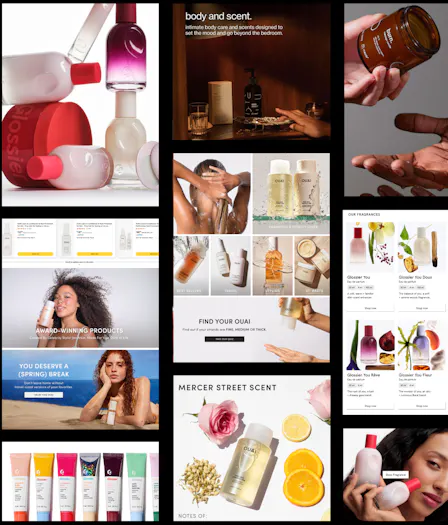
But the bigger miss isn't timing. Back to school is treated as a supply run when for a huge share of shoppers, especially teens and college students, it's an identity reset. This is the moment a kid picks their first real skincare routine, not because a parent handed them one, but because they're about to walk into a new building as a slightly different version of themselves. Sephora has reported its under-12 customer base doubling over five years. e.l.f. now holds an estimated 35% share of the female teen beauty market. The numbers reinforce the idea that a new generation is treating personal care as part of the first-day-of-school ritual, right alongside the outfits and the backpack.
The same reset happens on the health and wellness side, just older. College students walking into dorm life without a parent managing their sleep schedule or their diet are exactly who immune support, focus-oriented supplements, and gut health products are built for. Industry data shows fall demand for these categories shifting from performance goals to prevention and resilience, timed precisely to when students are back in close quarters, sleeping less, and getting sick for the first time without anyone else's medicine cabinet to raid.
None of this shows up if a brand's back-to-school plan starts and ends with an inventory discount. Build content and offers around the transition itself: the first dorm skincare shelf, the immune support stack for a kid living with three roommates, and the confidence a fifteen-year-old wants walking into a new hallway. Prime Day is over, but the next event is already here. How is your brand strategizing back-to-school? Reach out to experts to learn more about Front Row’s vision for tentpole success.